
Explorer
Discover world-class programs and universities across China
Filters

Discover world-class programs and universities across China
Discover world-class programs and universities across China
Discover world-class programs and universities across China
Beijing
Beijing
Shanghai
Shanghai
Changsha, Hunan
Nanjing, Jiangsu

Tianjin
Shanghai
Beijing
Changsha, Hunan
Beijing
Chengdu, Sichuan
Jinan, Shandong
Nanjing, Jiangsu
Shanghai
Shenzhen, Guangdong
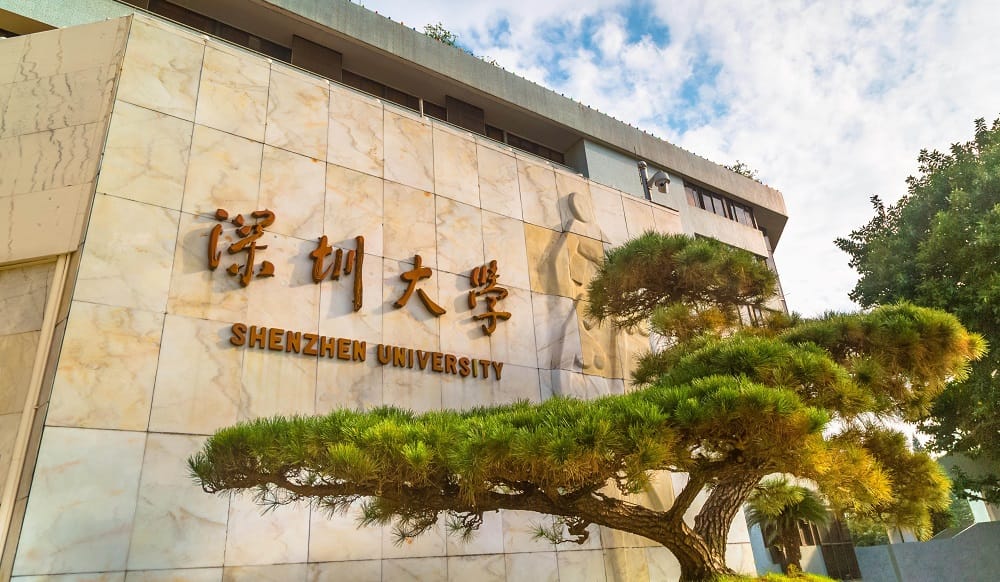
Founded in 1983, Shenzhen University (SZU) is a public, comprehensive institution located in the dynamic city of Shenzhen, Guangdong Province. Its establishment was approved by China's State Council, and it was created with a clear mandate to be a high-level, distinctive university from the very beginning. Born alongside China's first Special Economic Zone, SZU was envisioned as a pioneering force, often described as a "University of the Special Economic Zone," a "Window University," and an "Experimental University." This unique heritage is reflected in its foundational mission to cultivate innovative talent and explore new pathways in higher education. To ensure a strong start, the university was supported by prestigious national institutions, with Peking University aiding in the development of humanities disciplines, Tsinghua University contributing to engineering and architecture, and Renmin University of China assisting with economics and law. This collaborative foundation attracted numerous renowned scholars and set SZU on a rapid trajectory. Today, it is recognized as a Double First Class university, a designation highlighting its status among China's elite institutions for focused development of world-class disciplines. In just over four decades, SZU has transformed from a bold experiment into a major comprehensive university with a complete talent cultivation system spanning bachelor's, master's, and doctoral degrees, all while maintaining its core spirit of innovation and reform. Building on its innovative foundation, Shenzhen University has developed into a comprehensive academic institution with a broad and robust academic portfolio. Its structure encompasses numerous schools and departments, offering a wide range of disciplines across the humanities, social sciences, engineering, sciences, medicine, law, economics, and the arts. Among its many strengths, the university is particularly recognized for several flagship disciplines. These include highly regarded programs in Finance, Architecture, Law, Economics, Accounting, and Computer Science and Technology, which are consistently top-rated by students and alumni for their academic quality. For international students, SZU provides a diverse array of undergraduate programs taught primarily in Chinese, covering fields such as Chinese Language and Literature, Teaching Chinese to Speakers of Other Languages, Internet and New Media, English, Japanese, Financial Technology, Psychology, and Early Childhood Education. Notably, the university also offers select English-taught programs, including International Business Administration, catering to students seeking instruction in English. This extensive academic scope ensures that international learners can find programs that align with both their linguistic preferences and their professional ambitions. Shenzhen University's vibrant campus life is centered around its two main campuses, Yuehai and Lihu, both situated in the dynamic urban environment of Shenzhen's Nanshan District. The primary Yuehai campus is renowned for its beautiful, green landscape and comprehensive facilities that support a well-rounded student experience. The campus boasts excellent sports amenities, including two gyms, squash and tennis courts, volleyball courts, and two swimming pools, with the university even providing an annual sports subsidy for each student. For daily needs, the campuses function like self-contained communities, featuring supermarkets, convenience stores, print shops, cafes, and various dining options from fast food to bubble tea shops. International students are typically accommodated in well-appointed dormitories, with the newer "Qiao" building complexes often highlighted as top-tier. These rooms commonly feature configurations like five-person suites with lofted beds over desks, individual storage, air conditioning, en-suite bathrooms, and dedicated storage space. Living on campus provides easy access to public transportation, connecting students to the wider city. While specific expense figures vary, the overall cost of living in Shenzhen is balanced by the convenience and extensive amenities available within the university's own thriving ecosystem. Shenzhen University fosters a welcoming and supportive environment for its international student community through dedicated institutional support. The university's International Exchange College serves as the primary hub for international affairs, managing everything from admissions and visa guidance to organizing cultural immersion activities. This office plays a crucial role in helping students navigate administrative processes and settle into campus life. To further aid integration, the university offers language support and opportunities to engage with both local and fellow international students through various events and clubs. While specific scholarship details for incoming international students are managed on a case-by-case basis, the university is committed to internationalization and provides avenues for financial assistance. Overall, Shenzhen University presents a compelling choice for international students seeking a dynamic, modern Chinese educational experience within a supportive framework that eases the transition and enriches the academic journey.
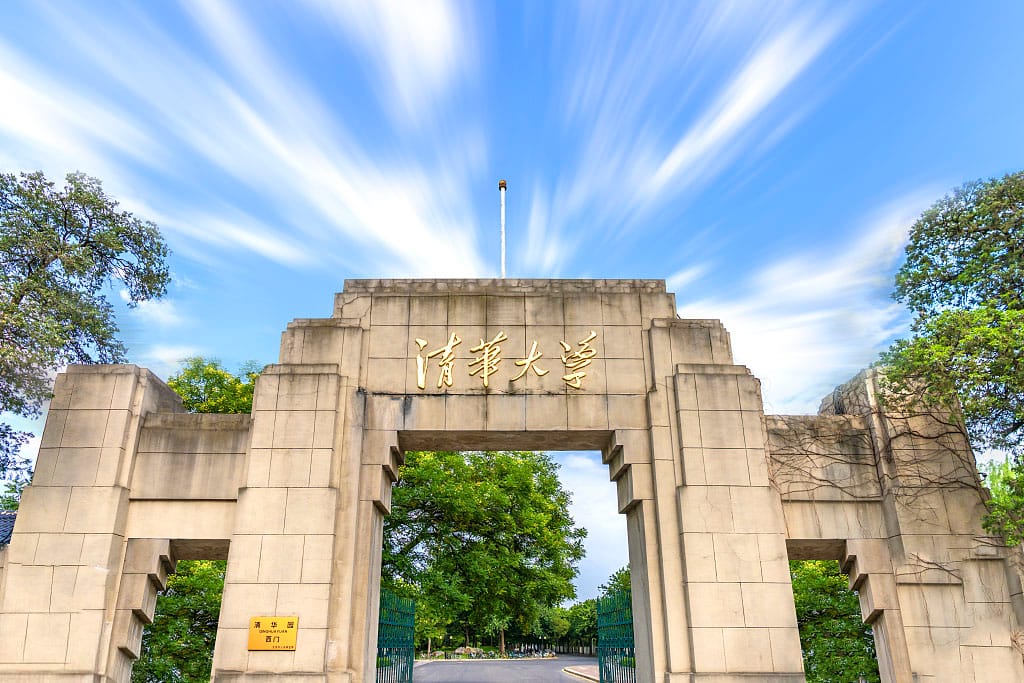
Beijing
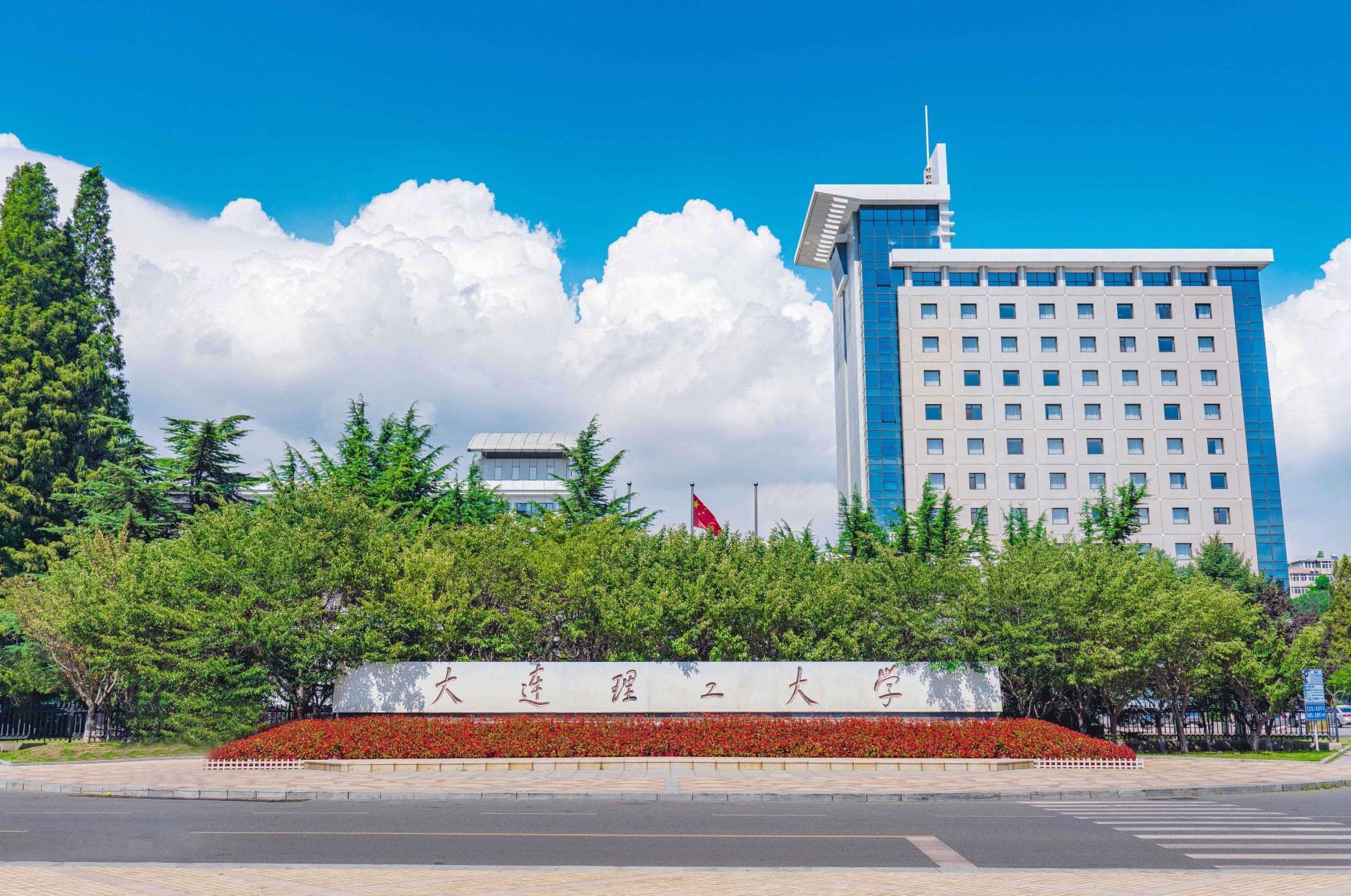
Dalian, Liaoning
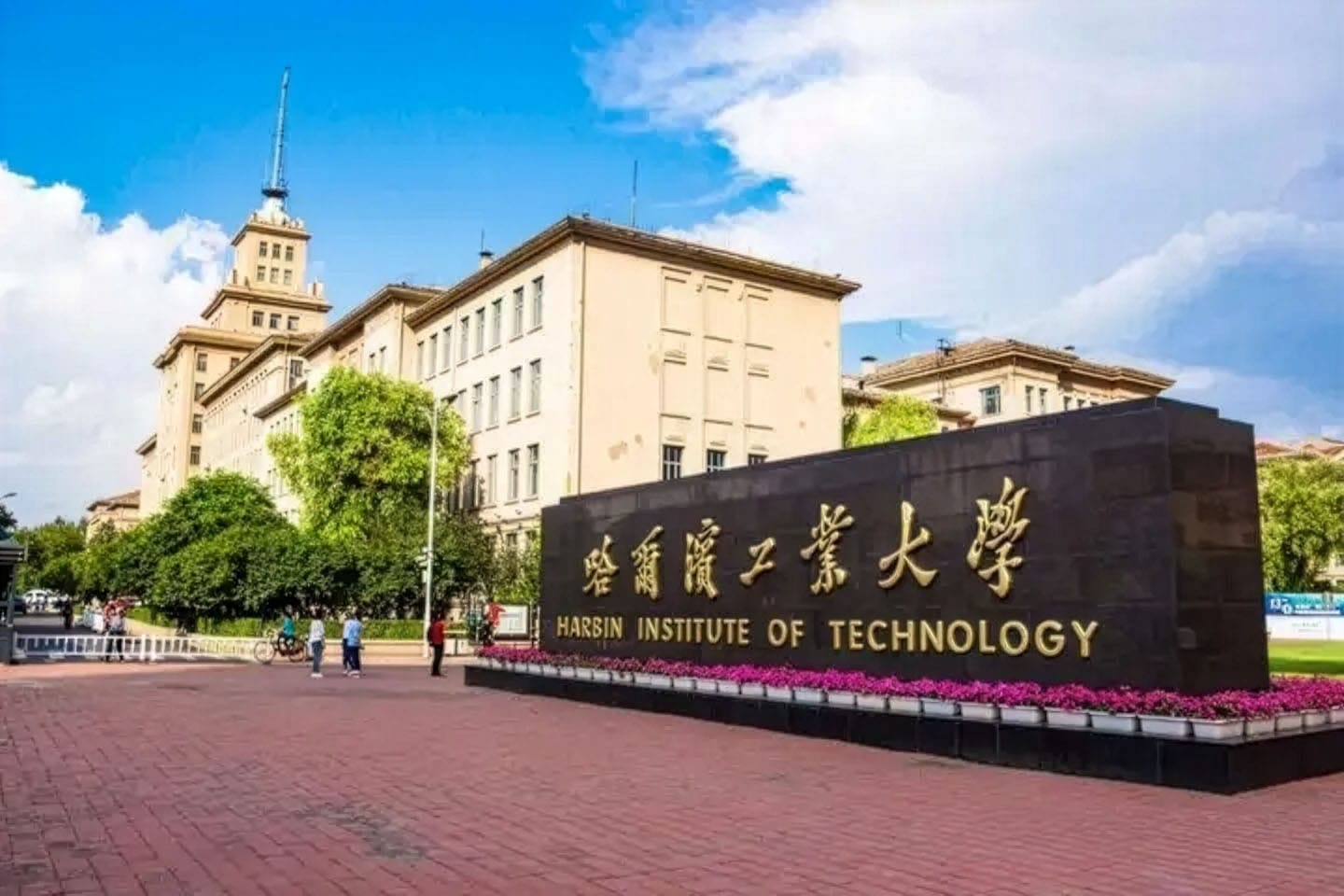
Harbin, Heilongjiang
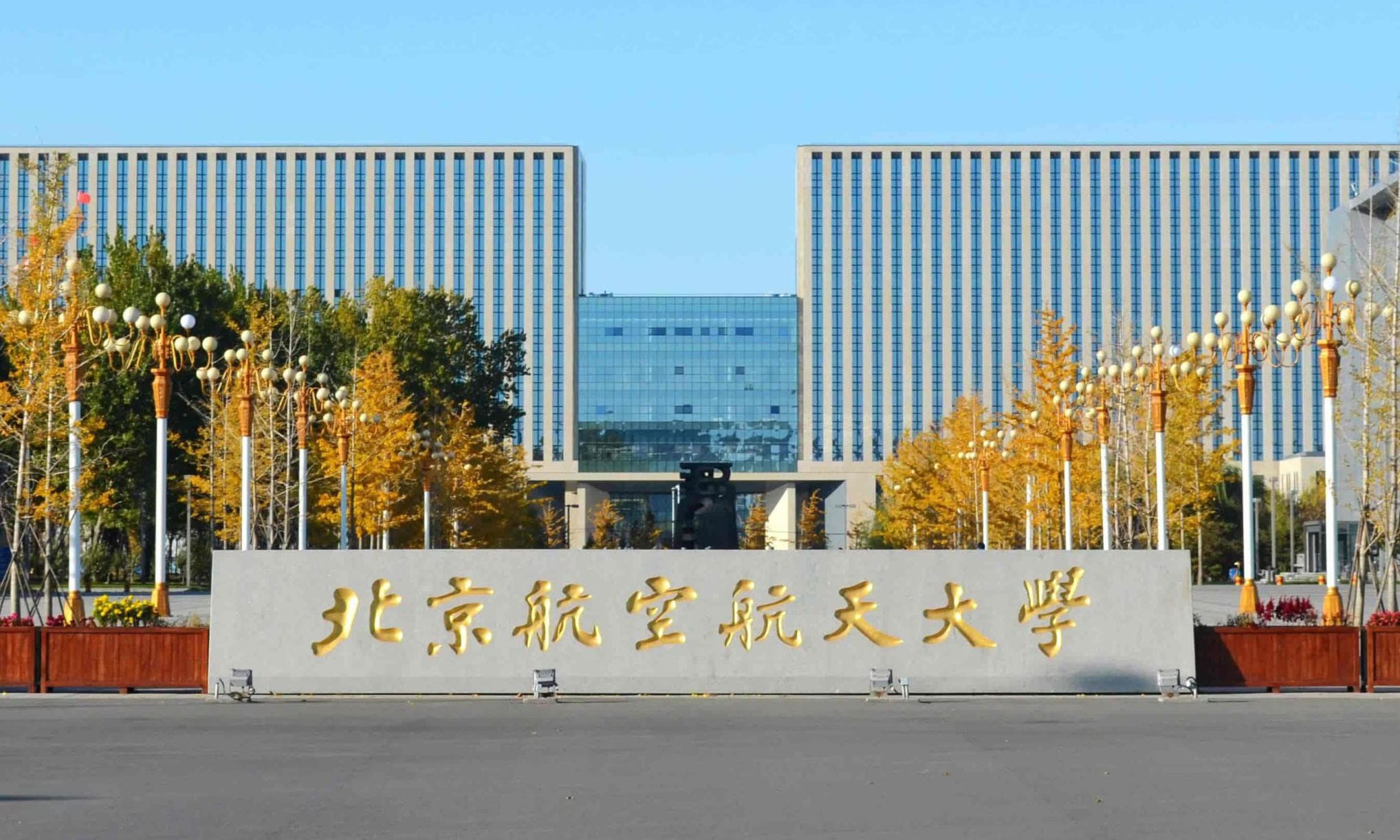
Beihang University, originally founded as the Beijing Institute of Aeronautics on October 25, 1952, holds the distinction of being the first institution of higher learning in China dedicated to aeronautical and astronautical education. Established in the early years of the People's Republic, it was created to meet the nation's urgent need for advanced aerospace engineering talent. Located in the Haidian District of Beijing, a hub for China's top universities and technology companies, the university operates from its two primary campuses: the historic Xueyuan Road campus and the modern Shahe campus. As a major public, comprehensive university directly under the administration of the Ministry of Industry and Information Technology, Beihang has long been a cornerstone of China's national strategy for scientific advancement. It is a prestigious member of China's elite Project 985 and Project 211, initiatives designed to cultivate world-class research institutions, and it is also recognized as a Double First Class university. From its origins focused on aerospace, it has strategically expanded into a multidisciplinary powerhouse, integrating strengths in engineering with robust programs in science, management, humanities, law, and economics, all while maintaining its iconic leadership in aeronautics, astronautics, and information technology. Building upon its distinguished heritage, Beihang University has evolved into a comprehensive academic institution with a formidable scope. It encompasses a wide array of schools and departments spanning engineering, science, management, humanities, law, and economics, offering a rich educational ecosystem. The university's academic strength is nationally recognized, with its disciplines achieving outstanding ratings in official evaluations. Notably, it boasts four A+ rated disciplines: Instrument Science and Technology, Materials Science and Engineering, Aerospace Science and Technology, and Software Engineering. A further three disciplines, including Control Science and Engineering and Computer Science and Technology, are rated A, and seven more, such as Mechanics and Information and Communication Engineering, hold A- ratings. For international students, the university provides a diverse portfolio of programs at the undergraduate, master's, and doctoral levels, alongside Chinese language training. While specific counts for international student programs are not detailed here, the institution's broad disciplinary coverage ensures ample opportunities. Furthermore, Beihang offers several English-taught master's and doctoral programs, particularly within its flagship engineering and technology fields, making its world-class education accessible to a global student body. Beihang University's vibrant campus life unfolds across its two primary campuses in Beijing's Haidian District: the historic Xueyuan Road campus and the modern Shahe campus. Both offer an urban setting with excellent access to the city's academic and technological heart. The main Xueyuan Road campus is home to iconic landmarks, including the massive New Main Building, one of Asia's largest single-structure teaching complexes, and the historic Old Main Building with its distinctive Soviet-era architecture. Students enjoy extensive facilities such as a large library, the Aerospace Museum, the Chenxing Music Hall for performances, and the Olympic-standard gymnasium. The expansive Green Garden, with its lake and walking paths, provides a serene natural retreat within the city. International students are typically accommodated in on-campus dormitories or the nearby University Village, originally built for an international sporting event. Rooms are generally shared, often configured as double or quadruple occupancy, and come equipped with basic furnishings, air conditioning, internet access, and often private bathrooms. Amenities like shared kitchens, laundry facilities, and common areas are available. The campuses are well-connected by public transport, with the Xueyuan Road campus near the Zhichun Road subway station serving Lines 10 and 13, facilitating easy travel across Beijing. While individual expenses vary, a comfortable monthly budget for living costs, excluding tuition, is typically estimated to be in the range of 2,500 to 4,000 Chinese Yuan, covering accommodation, meals, and local transportation. Beihang University fosters a supportive and dynamic environment for its international community through its dedicated International School. This central office manages the entire international student journey, from admission and visa assistance to registration and daily life support. A key pillar of this support is the Chinese Language Training Center, which offers practical language programs to help students build essential communication skills. Beyond academics, the university organizes cultural activities and events, facilitating integration and cross-cultural exchange. For those seeking financial support, Beihang offers various scholarship opportunities, including those specifically for international students. This comprehensive ecosystem, combined with the chance to join a diverse community of peers from around the world in a global city like Beijing, makes Beihang an compelling choice for students seeking a top-tier, internationally-engaged education in China.
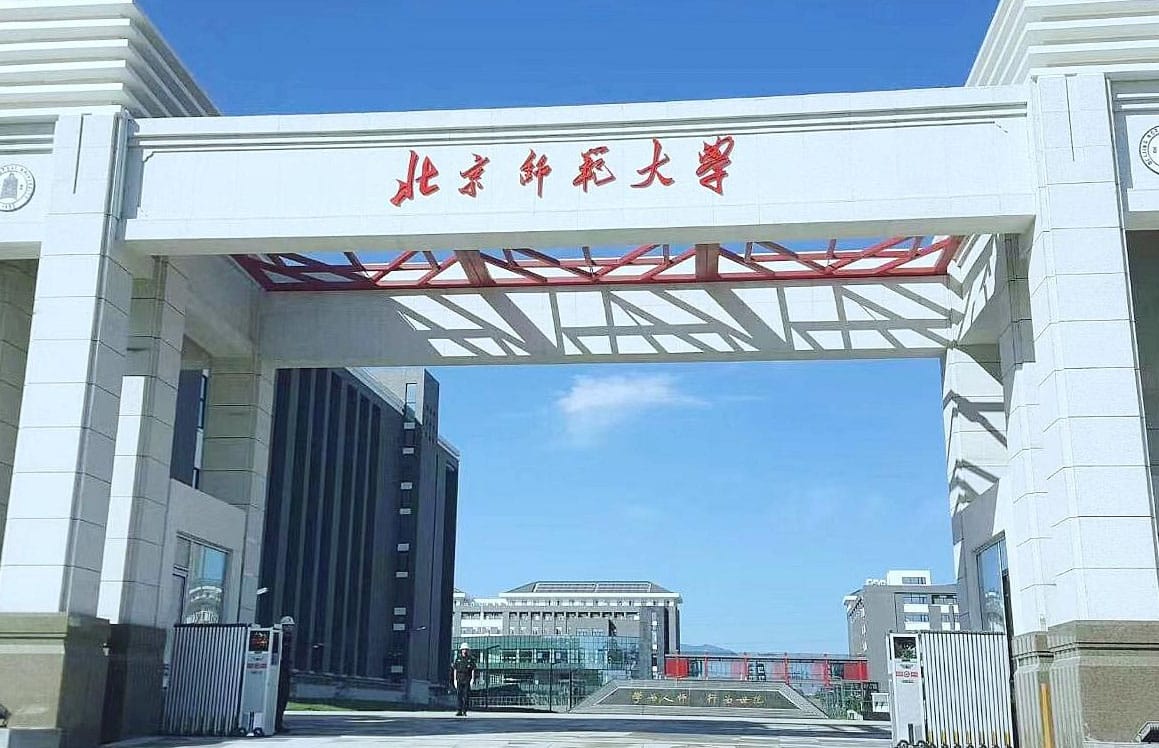
Beijing Normal University, a cornerstone of modern Chinese higher education, traces its distinguished origins to 1902 with the establishment of the Normal School of the Imperial University of Peking. This founding makes it the first modern teacher training institution in China's history. Located in the Haidian District of Beijing, the nation's capital, it operates as a major public comprehensive university. Its status as a national leader is underscored by its inclusion in China's most prestigious academic initiatives; it is a designated member of both the Project 985 and Project 211, and it holds a prominent position as a "Double First Class" university, recognized for building world-class disciplines. A pivotal moment in its evolution came in 1923 when it was formally renamed Beijing Normal University, solidifying its unique identity. The institution further expanded its scope and heritage through significant mergers, notably with Peking Women's Normal University in 1931 and the renowned Fu Jen Catholic University in 1952. This rich history has shaped it into a globally recognized center of excellence, particularly renowned for its foundational strengths in teacher education, educational sciences, and the liberal arts and basic sciences. Building upon its historic legacy, Beijing Normal University offers a comprehensive academic portfolio through its numerous schools and departments. The university's academic breadth is extensive, spanning disciplines from the foundational liberal arts and basic sciences to robust programs in education, psychology, economics, law, environmental science, and technology. It is particularly distinguished for its flagship disciplines, which are consistently ranked among the nation's best. These top-tier strengths include Psychology, Chinese Language and Literature, and Education, with sub-fields such as the History of Education, Comparative Education, and Educational Technology frequently recognized as number one in China. For international students, the university provides a wide pathway for degree studies, with 21 faculties offering 36 undergraduate majors for international enrollment, alongside numerous postgraduate master's and doctoral programs. While the primary language of instruction for degree programs is Chinese, the university also caters to a global audience with a selection of fully English-taught programs. These include several master's degrees in fields like Comparative Education, Public Management, World Economy, and Environmental Science, as well as a doctoral program in Comparative Education, providing accessible avenues for in-depth study within its areas of greatest renown. Life at Beijing Normal University is centered on its compact and vibrant main campus in the urban Haidian District. While the university has multiple campuses, including one in Zhuhai, the primary hub for most academic and student activities is this well-established Beijing location. The campus is often described as small and exquisite, with its manageable size making it easy to navigate between classes and facilities. Notable landmarks include the expansive Jing Shi Square and the historic Former Main Building. The university takes pride in its excellent greenery and the highly regarded library, which provides an outstanding environment for study. Students should be aware that the campus is also home to a notable population of crows. For accommodation, international students are typically housed in on-campus dormitories managed by professional property services. Rooms are usually shared, often accommodating four students, and come furnished with essential items like beds, desks, and wardrobes. Basic amenities such as fans, telephones, and broadband internet are provided, and shared laundry facilities are available. It is important for incoming students to manage expectations regarding dormitory space and conditions, as rooms can be compact. The campus offers convenient dining with multiple student canteens and a spacious new cafeteria serving diverse, affordable meals, including halal options. Living in central Beijing provides excellent transportation access, with nearby metro stations connecting students to the entire city. General monthly living expenses, excluding tuition, can vary but typically fall within a moderate range for an urban capital city. Beijing Normal University provides a comprehensive and supportive environment for its international student community, coordinated by its dedicated International Students Office. This office serves as the central hub for all matters related to international students, offering essential guidance on visa procedures, residence permits, and daily life management. To foster academic and social integration, the university organizes various cultural activities and provides access to student clubs, facilitating meaningful connections between domestic and international peers. Significant financial support is available through a range of scholarships, including university-specific awards like the Forbidden City Scholarship and the Silk Road Muduo Scholarship, as well as municipal opportunities such as the Beijing Government Scholarship for International Students. With a long-standing history in international education dating back to 1965, now embodied in its School of International Chinese Language Education, the university has welcomed thousands of students from over fifty countries. This established framework ensures that international students are not only well-supported administratively but also become part of a vibrant, global campus community in the heart of China's capital.
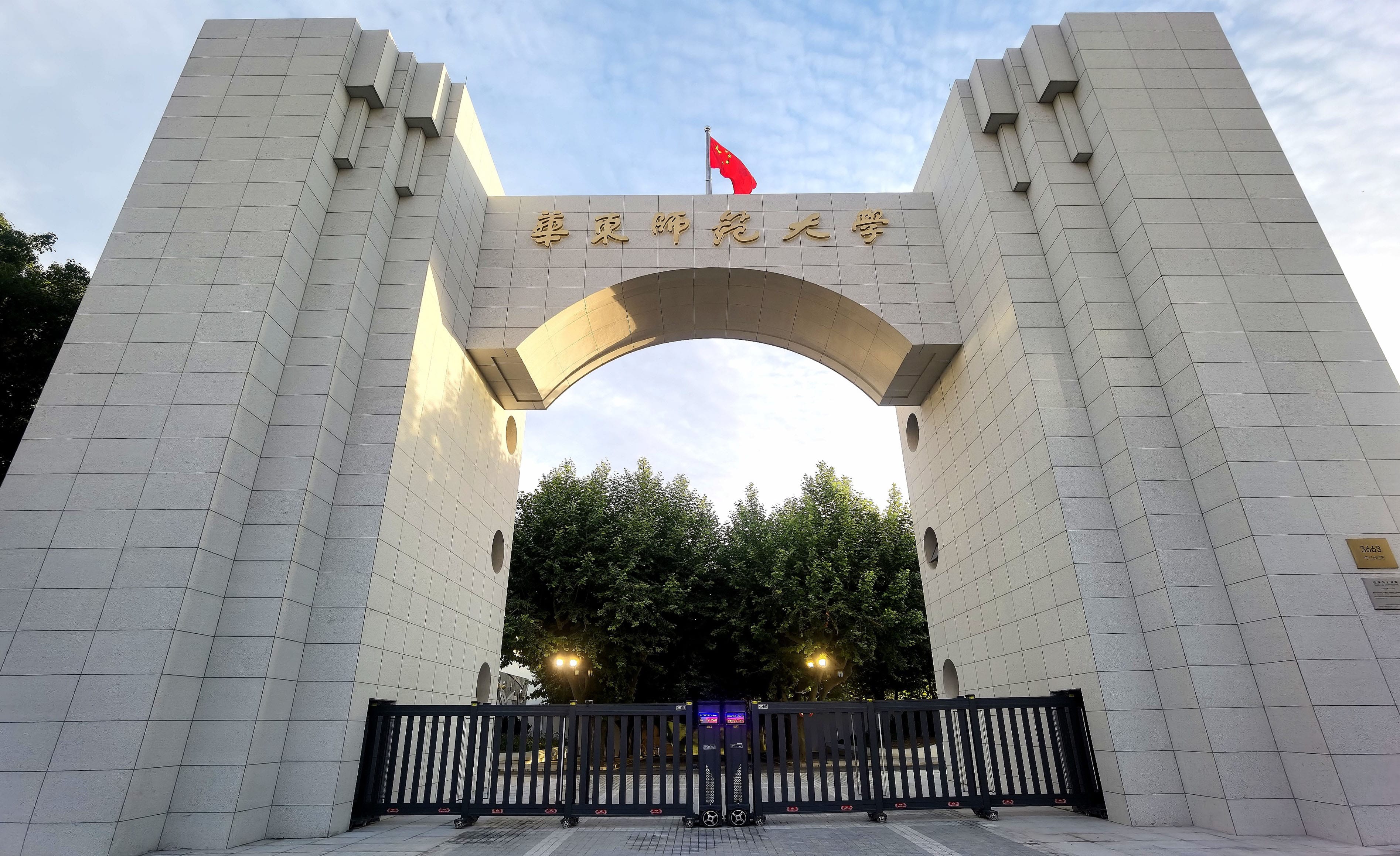
East China Normal University (ECNU) is a prestigious public comprehensive university located in the dynamic metropolis of Shanghai. Founded on October 16, 1951, it was established as New China's first socialist normal university, created through the merger of several distinguished predecessor institutions, including Great China University (founded 1924) and Guanghua University (founded 1925), on the original site of the former. This rich heritage forms the bedrock of its identity. As a key national university directly under the Ministry of Education, ECNU holds a position among China's most elite academic institutions, being a proud member of the nation's "Double First Class" initiative as well as the esteemed Project 985 and Project 211. Over its history, the university has transformed from its foundational focus on teacher education into a world-renowned comprehensive research powerhouse, consistently contributing to national development while expanding its global influence and academic scope. Building on its distinguished heritage, East China Normal University has evolved into a comprehensive academic institution with a broad and robust academic portfolio. The university encompasses numerous schools and departments spanning the humanities, social sciences, natural sciences, engineering, education, and management. Its academic strengths are nationally recognized, with several disciplines achieving top-tier status. Notably, in the Ministry of Education's discipline evaluation, Education received an A+ rating, Chinese Language and Literature an A, and Geography an A-. These, along with other nationally ranked disciplines such as Psychology, Statistics, Software Engineering, Ecology, and Optics, form the core of the university's academic excellence. For international students, ECNU offers a wide array of programs at the undergraduate, postgraduate, and doctoral levels, as well as Chinese language training. While many programs are taught in Chinese, the university also provides a growing selection of English-taught courses and degree programs, particularly at the graduate level, across various fields including Education, Business, and International Relations, facilitating a global learning environment in the heart of Shanghai. East China Normal University operates two primary campuses in Shanghai, providing distinct urban experiences. The main Zhongshan North Road campus offers a vibrant, integrated city setting, while the Minhang campus provides a more spacious suburban environment. The urban main campus is known for its convenient location and notable facilities such as the Science Building and the student activity hub near the Youth League Field. For accommodation, international students are typically housed in on-campus dormitories. Room configurations vary, with options including four-person suites that often feature a shared living space, or more standard double or quadruple rooms. Standard amenities include air conditioning, internet access, and shared bathroom facilities, with many buildings offering common areas with laundry machines and hot water dispensers. The campus is exceptionally well-connected, situated adjacent to the Jinshajiang Road metro station, providing direct access to Shanghai's extensive subway network via Lines 3 and 4, which facilitates easy travel across the city. Daily life is supported by diverse and affordable campus dining halls, where a student can expect to spend approximately 900 CNY per month on meals, with the sprawling Global Harbor shopping and dining complex located just steps from the campus gates for additional options. East China Normal University fosters a vibrant and supportive environment for its large international student community, which ranks among the top three in Shanghai. This thriving global atmosphere is coordinated by the dedicated International Education Center/International Student Office, the centralized department responsible for all aspects of the international student journey from admission and enrollment to daily management and support. The office provides comprehensive services including visa guidance, academic advising, and assistance with practical matters, ensuring a smooth transition to life in Shanghai. Students can immerse themselves in Chinese language and culture through dedicated training programs and organized cultural activities. Scholarship opportunities, such as the Excellent Self-Funded Undergraduate Scholarship, are available to recognize and support outstanding academic achievement. By choosing ECNU, international students become part of a diverse and dynamic campus, gaining not only a top-tier education but also a rich, supportive, and truly international experience in one of the world's most exciting cities.
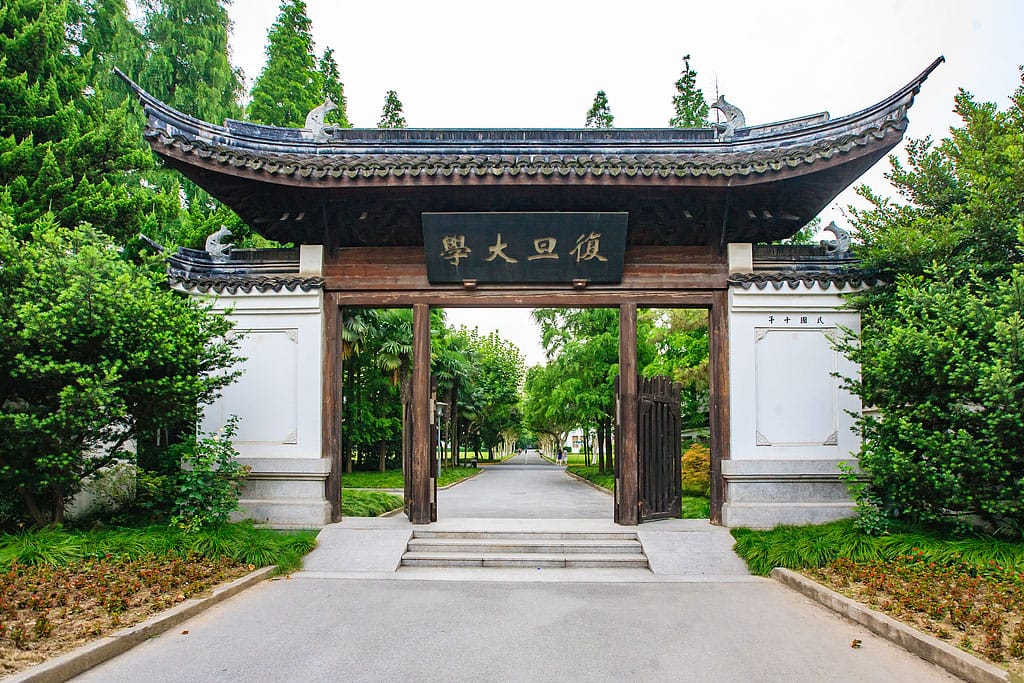
Fudan University, a world-renowned public comprehensive institution, stands as a pillar of academic excellence in the heart of Shanghai. Founded in 1905, its establishment was a pivotal moment in the development of modern higher education in China. Over a century, the university has evolved from its foundational roots, enduring periods of historical transformation to emerge as a leading global institution. It is a prestigious member of China's elite C9 League and holds the highest national designations, being a Double First Class University (Category A) as well as a key member of both the Project 985 and Project 211 initiatives. This distinguished status underscores its role at the forefront of research, innovation, and talent cultivation. Throughout its storied history, Fudan has consistently contributed significantly to national development, adapting through modernization and reform to build a robust academic system that seamlessly blends a rich heritage with a forward-looking, international vision. Fudan University's academic structure is both vast and distinguished, encompassing over 30 schools and departments that span the full spectrum of modern scholarship. Its comprehensive faculties cover humanities, social sciences, natural sciences, engineering, and medical sciences, creating a rich interdisciplinary environment. The institution is celebrated for its numerous flagship disciplines, many of which hold the highest national ratings. These top-tier programs include Philosophy, Theoretical Economics, Chinese Language and Literature, Journalism and Communication, Mathematics, and Political Science, alongside strong programs in Finance, International Relations, and various medical specialties. For international students, Fudan offers a wide gateway to this excellence, providing undergraduate, master's, and doctoral programs across its many schools. Notably, in a recent academic year, the university had 34 departments offering 174 master's and 134 doctoral programs specifically for international candidates. While many programs are taught in Chinese, the university also provides a selection of English-taught courses and degrees, catering to a diverse global student body. Popular fields among international students often include Economics, Management, and Language & Cultural studies, allowing them to engage with the university's academic strengths directly. Fudan University's vibrant campus life is centered around its multi-campus structure, often described as a "one body, two wings" layout. The main body consists of the historic Handan campus and the newer Jiangwan campus, with the Fenglin and Zhangjiang campuses serving as the two wings, all located within Shanghai. The primary Handan campus offers an urban setting, providing students with the energy of the city right at their doorstep. The university boasts extensive facilities, including a major library system with branches across the campuses, housing millions of volumes and vast electronic resources to support academic work. For international student accommodation, options vary by campus and program level. Dormitories typically offer room types ranging from single and double rooms for graduate students to three or four-person suites for undergraduates. Amenities often include air conditioning, shared bathrooms, and access to communal facilities like laundry rooms, with some newer buildings featuring in-unit washers and dryers. The campuses are well-integrated into Shanghai's comprehensive public transportation network, with metro stations and bus lines providing easy access across the city and facilitating movement between campuses. While specific living expense figures are not detailed, students can expect the costs to reflect Shanghai's status as a global metropolis, with on-campus dining and services offering affordable options. Fudan University is deeply committed to supporting its international students from arrival through graduation. A dedicated International Students Office serves as the central hub for all non-academic needs, managing everything from admissions and visa assistance to daily life support and cultural integration. The office provides comprehensive services, including help with residence permits, insurance, and accommodation management, ensuring a smooth transition into life in Shanghai. For those seeking financial aid, opportunities such as the Chinese Government Scholarship are available. Beyond administrative support, the university fosters a vibrant community through various student clubs and activities specifically for international students, helping them build connections and feel at home. Choosing Fudan means gaining access to a top-tier education within a supportive, globally-minded framework that actively facilitates both academic success and a rich personal experience in one of the world's most dynamic cities.
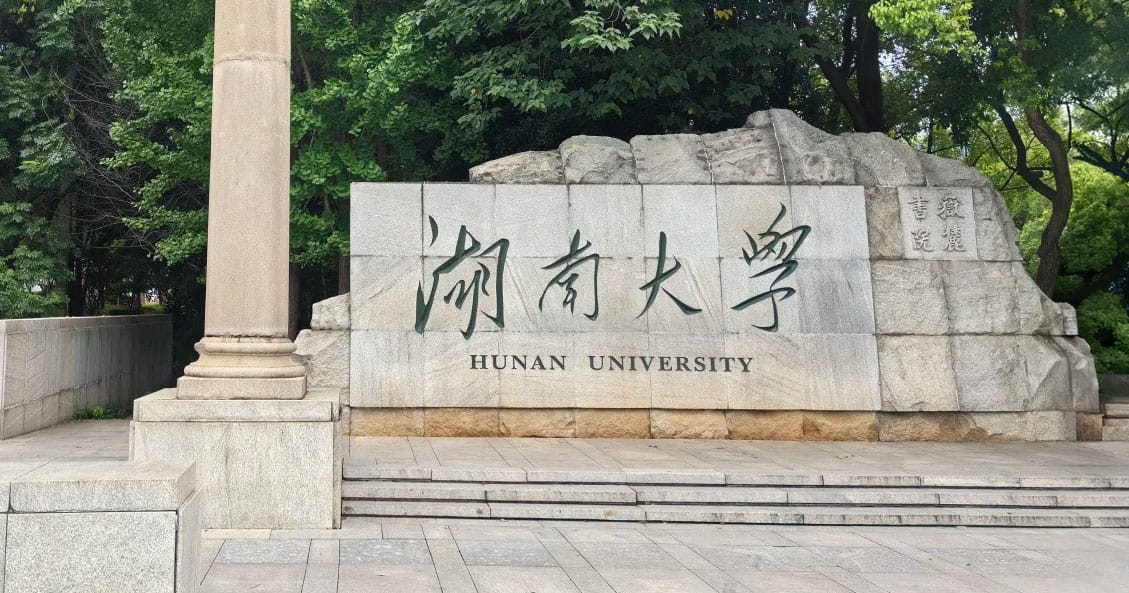
Hunan University, with its main campus situated in the historic city of Changsha, Hunan Province, is a prestigious public comprehensive university. Its identity is profoundly shaped by a heritage that stretches back over a millennium, famously originating from the Yuelu Academy, founded in 976 AD. This deep-rooted history as a center of scholarship earned it the revered title of "Millennium-old Institution." The modern university was formally established in 1926, later designated as a National University in 1937, and has since evolved through significant mergers, including with Hunan University of Finance and Economics in 2000. As a key university directly under the Ministry of Education, it holds esteemed positions within China's national higher education framework, being a proud member of the "Project 211," "Project 985," and the "Double First-Class" initiative, which underscores its status as a top-tier research institution. Throughout its long history, the university has consistently been at the forefront of academic and educational reform, transforming from its ancient scholarly roots into a dynamic, comprehensive research university that continues to strive for global excellence while honoring its unparalleled legacy. Building on its distinguished heritage, Hunan University offers a vast and robust academic landscape structured across numerous schools and departments. Its comprehensive scope spans the humanities, social sciences, natural sciences, and engineering, with particular depth in several key areas. The university's strength in engineering is nationally recognized, with flagship disciplines such as Civil Engineering, Mechanical Engineering, and Electrical Engineering consistently achieving high national ratings. These are complemented by strong programs in Materials Science, Chemical Engineering, and Computer Science. Beyond STEM fields, the university maintains respected faculties in Business Administration, Economics, Law, Foreign Languages, and Design. For international students, the university provides a wide array of programs, including undergraduate and postgraduate degrees, as well as foundational Chinese language and culture courses through its preparatory programs. While many programs are taught in Chinese, the university also offers select English-taught master's programs, particularly in fields like Business and Engineering, to cater to a global student body. This extensive academic portfolio, anchored by its top-tier engineering and technology disciplines, provides international students with substantial opportunities for high-quality education and research. The university's vibrant campus life is centered around its main urban campus in Changsha, which seamlessly blends modern academic facilities with its historic surroundings. The campus is known for its scenic beauty and open atmosphere, with the ancient Yuelu Academy, a UNESCO heritage site, integrated directly into the campus grounds, offering a unique backdrop for study and reflection. For accommodation, international students are typically housed in dedicated dormitories. The specific room assignments can vary, with some students placed in older on-campus apartments that may have shared bathroom facilities, while others may be allocated to newer off-campus apartments that often feature private bathrooms. The campus is well-connected within the city, with convenient access to public transportation, including metro stations, making exploration of Changsha straightforward. While living expenses can vary based on personal lifestyle, students can generally manage comfortably, with monthly costs for accommodation, food, and local transportation often falling within a moderate range. This dynamic urban setting provides a stimulating environment where centuries of scholarly tradition meet the energy of contemporary student life. Hunan University fosters a welcoming and supportive environment for its international community through its dedicated International School, which serves as the central hub for all matters concerning overseas students. This office provides comprehensive support, including visa assistance and guidance on residence permits, ensuring a smooth transition to life in Changsha. The university offers language training programs to help students improve their Chinese proficiency and better integrate into the academic and local culture. A vibrant social life is encouraged through organized cultural activities and events, allowing international students to connect with each other and with Chinese peers, building a strong, diverse community. Furthermore, the university offers various scholarship opportunities specifically for international students to support their academic journey. For students seeking a prestigious education within a historically rich setting, coupled with structured support and a dynamic international network, Hunan University presents a compelling choice.
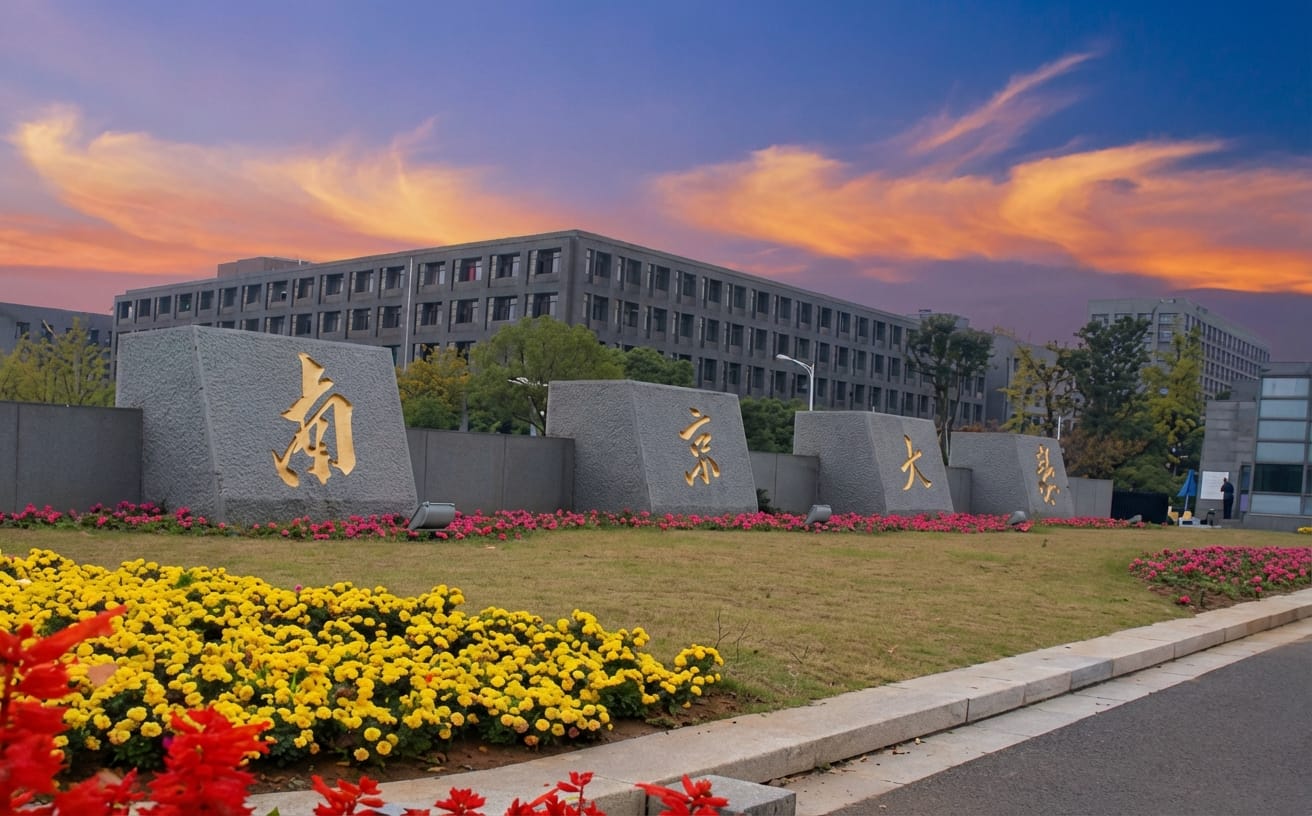
Nanjing University stands as one of China's most venerable and respected institutions of higher learning. Its story began in 1902 with the founding of the Sanjiang Normal College, an origin that places it among the nation's oldest modern universities. Over the subsequent decades, it evolved through several significant phases, including periods as the National Central University and National Nanjing University, each chapter reinforcing its academic legacy. Today, it is a major public comprehensive university located in the historic city of Nanjing, Jiangsu Province. Nanjing University holds a distinguished position in the Chinese academic landscape, being a proud member of the elite C9 League and a key university designated under China's "Double First Class," Project 985, and Project 211 initiatives. These prestigious designations mark it as a national leader in research and education. Its long history is characterized by a continuous commitment to scholarly excellence, adapting and growing to meet the needs of the nation while maintaining its core identity as a cradle for innovation and intellectual leadership. Nanjing University's academic structure is comprehensive, encompassing a wide array of schools and departments that span the humanities, social sciences, natural sciences, engineering, and medicine. Its particular strengths are reflected in numerous disciplines that hold national prominence. These include top-rated programs in Philosophy, Chinese Language and Literature, Physics, Chemistry, Astronomy, Atmospheric Sciences, Geology, and Biology. The university also demonstrates strong standing in fields such as Computer Science and Technology, Environmental Science and Engineering, Theoretical Economics, and Foreign Languages and Literature. For international students, the university offers a diverse portfolio of programs. At the undergraduate level, options range from Chinese Language and Teaching Chinese to Speakers of Other Languages to Journalism, Sociology, Information Management, and Applied Psychology. Postgraduate studies are available across many of the university's flagship disciplines, including specialized master's degrees like International Business and Master of Teaching Chinese to Speakers of Other Languages. While many programs are taught in Chinese, the university provides English-taught options at both the undergraduate and postgraduate levels, facilitating access for a global student body seeking a rigorous education within one of China's most distinguished academic communities. Nanjing University's vibrant campus life is centered on its main urban campus in Nanjing, offering a dynamic environment where historic academic tradition meets modern student living. The university provides dedicated accommodation for international students, typically in shared dormitory rooms that foster a community atmosphere. These rooms are equipped with essential amenities such as air conditioning and internet access. Students often personalize their living spaces, and facilities like laundry rooms and vending machines are conveniently located within or near residence halls. The campus itself is a hub of activity, featuring comprehensive libraries, diverse dining options, and various sports facilities that cater to both academic and recreational needs. Nestled within the city, the campus enjoys excellent public transportation links, including access to metro stations, making exploration of Nanjing's rich cultural sites and daily commutes straightforward. While specific living expense figures are not provided, the urban setting offers a range of options to suit different budgets, contributing to a fulfilling and well-rounded student experience. Nanjing University is deeply committed to supporting its international community, which numbers several thousand students and scholars each year. Dedicated services are coordinated through its International School or relevant offices, ensuring a smooth transition and ongoing assistance. This includes comprehensive visa and residence permit guidance, often facilitated by the university's on-campus Foreigner Service Station—the first of its kind in Nanjing—which simplifies administrative processes. To foster integration, the university offers Chinese language training and organizes cultural activities that encourage engagement with both the campus and the historic city. A range of scholarship opportunities, such as the Chinese Government Scholarship, Nanjing Municipal Government Scholarship, and Confucius Institute Scholarships, are available to support qualified students. This robust support framework, combined with the vibrant social life within a diverse international cohort, makes Nanjing University an excellent choice for students seeking a top-tier academic experience within a welcoming and well-supported global community.
Founded in 1919, Nankai University stands as one of China's most storied and prestigious comprehensive public universities. Its roots are deeply intertwined with the nation's modern history, having been established with a mission to cultivate talent for a rejuvenating China. Located in the vibrant, historic city of Tianjin, the university operates from an urban campus that has been a center of academic excellence for over a century. As a distinguished member of China's "Double First Class" initiative and a key university within both the Project 985 and Project 211 frameworks, Nankai is recognized among the nation's elite institutions for teaching and research. Throughout its long history, it has adhered to the enduring motto "Dedication to Public Interests, Acquisition of All-round Capability, and Aspiration for Progress with Each Passing Day," which underscores its commitment to fostering innovation, practical skills, and social responsibility in its students. This heritage has seen Nankai contribute profoundly to society, producing generations of outstanding scholars, leaders, and professionals who have shaped the course of the nation's development. Nankai University offers a comprehensive academic structure designed to foster excellence across a wide spectrum of disciplines. The institution is organized into numerous schools and departments, spanning the humanities, social sciences, natural sciences, engineering, and medicine. This breadth provides a robust foundation for interdisciplinary learning and research. The university is particularly renowned for the strength of its economics and business disciplines, which are consistently ranked among the nation's best. For international students, Nankai provides a diverse portfolio of programs, including undergraduate degrees, master's and doctoral studies, and dedicated Chinese language training. While many programs are taught in Chinese, the university also offers a selection of English-taught courses and programs, particularly at the postgraduate level, to accommodate a global student body. This combination of academic rigor, disciplinary strength, and international accessibility makes Nankai a compelling choice for students seeking a high-quality education in China. Nankai University's vibrant student life unfolds across its urban campuses in Tianjin, with the historic main campus serving as the heart of the institution. The campus environment is described as fresh and elegant, with a functional layout that supports a wide range of academic and extracurricular activities. For international students, the university provides dedicated accommodation in international student apartments, designed to offer a more comfortable living environment. These dormitories are equipped with standard amenities including beds, desks, wardrobes, air conditioning, and private bathrooms. Common facilities such as 24-hour hot water, laundry rooms, and shared kitchens are also available for student use. The main campus is well-integrated into the city, offering convenient access to public transportation, including metro stations, facilitating easy exploration of Tianjin. While specific living expense ranges are not detailed, the urban setting provides a dynamic backdrop for student life, balancing academic pursuits with the cultural and social opportunities of a major metropolitan area. Nankai University is deeply committed to creating a supportive and enriching environment for its international students. This commitment is spearheaded by the International Education College, which serves as the dedicated administrative hub for all matters related to international enrollment, visas, and daily support, effectively acting as a "home away from home." Students benefit from comprehensive services, including specialized visa guidance and assistance with practical matters like insurance and accommodation. The university offers a robust portfolio of scholarship opportunities, such as the Chinese Government Scholarship, Tianjin Municipal Government Scholarship, and its own Nankai University Scholarship, to help make studies more accessible. Beyond administrative support, the college fosters a vibrant community through organized cultural activities and events, helping students from around the world connect and integrate. For an international student, Nankai represents a premier choice where academic excellence is seamlessly paired with a structured, welcoming, and supportive international student experience.
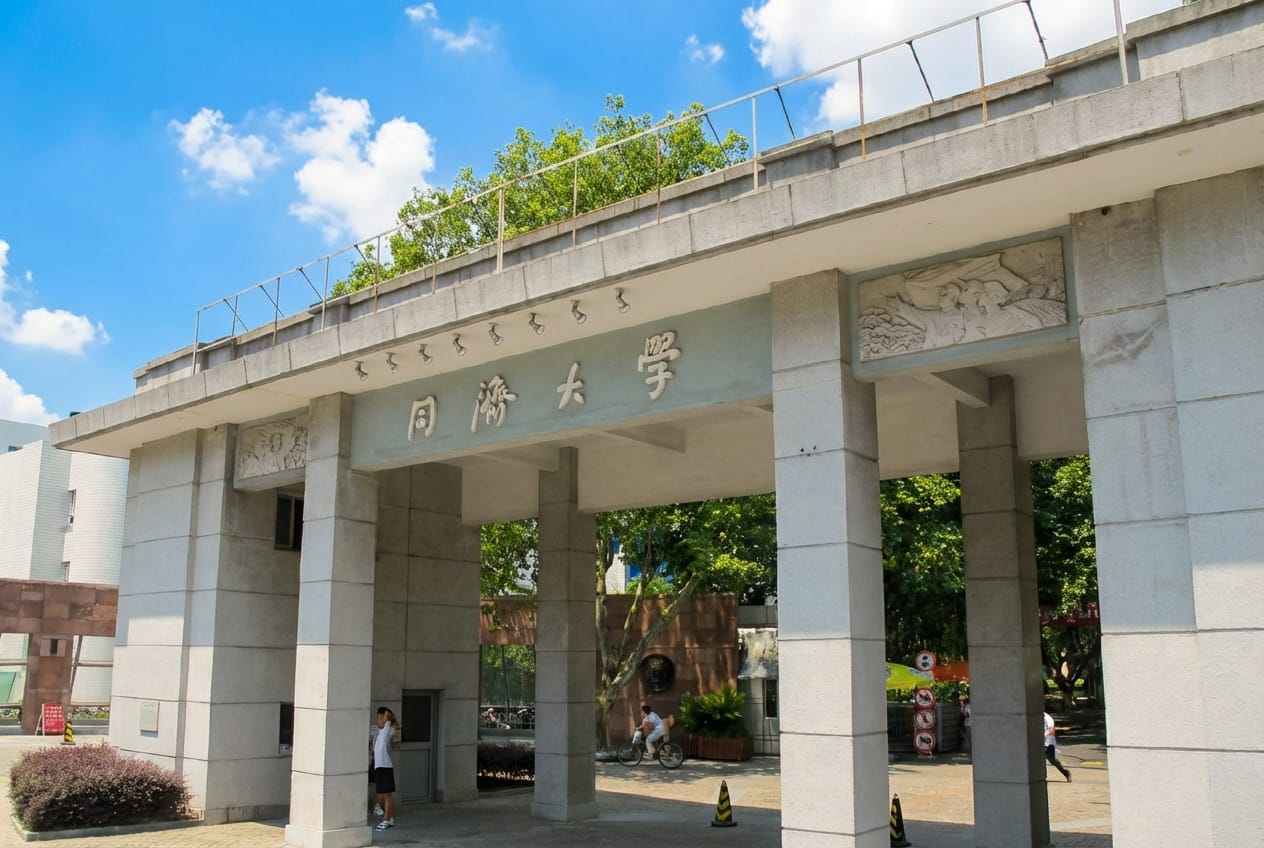
Tongji University, founded in 1907, is one of China's earliest national universities and a distinguished institution with a rich heritage. It was established in Shanghai through a collaborative effort between German, American, and Chinese founders, initially focusing on engineering and medicine. This international and pragmatic origin laid a strong foundation for its evolution into the comprehensive, research-intensive, and globally engaged university it is today. As a key national public university directly under the Ministry of Education, Tongji holds a prestigious position in China's higher education landscape, being a designated member of both the Project 211 and Project 985 initiatives, which mark it as a top-tier institution for national development and research. Furthermore, it is recognized as a Double First Class university, a testament to its ongoing commitment to world-class academic excellence. Over its more than 110-year history, Tongji has been a significant force in China's modernization, consistently balancing talent cultivation, scientific research, social service, and international exchange. Its journey from a specialized academy to a leading comprehensive university reflects a deep-seated tradition of rigorous scholarship and innovation, embodied in its spirit of solidarity and perseverance. Building upon its distinguished heritage, Tongji University offers a comprehensive academic portfolio across a wide spectrum of disciplines. The university is organized into numerous schools and departments, spanning engineering, natural sciences, medicine, architecture, urban planning, economics, management, law, humanities, and the arts. Its academic strength is particularly renowned in engineering and applied sciences, with several disciplines consistently ranked among the nation's very best. Notably, its programs in Civil Engineering, Urban Planning, and Cost Engineering have achieved top national rankings, while disciplines such as Architecture, Surveying and Mapping Science, Transportation Engineering, and Environmental Science and Engineering are also recognized as elite, top-tier programs. For international students, Tongji provides a diverse range of opportunities, including full undergraduate degree programs across its many faculties, postgraduate studies, and dedicated Chinese language programs through its International Cultural Exchange School. While many programs are taught in Chinese, the university's global engagement and historical international foundations support a growing number of English-taught courses and modules, particularly within its flagship engineering and business disciplines, facilitating access to its world-class education for students from around the globe. Tongji University's vibrant campus life is centered in the heart of Shanghai, with its primary and historic Siping Road Campus offering a classic urban university experience. This main campus, while compact, is described as having everything students need. The setting fosters a strong academic atmosphere, complemented by excellent facilities including numerous cafeterias, a library, and extensive sports amenities such as basketball courts, tennis courts, a swimming pool, and even a climbing gym. For international students, on-campus accommodation typically consists of shared dormitory rooms, often configured as four-person suites. These rooms generally include an ensuite bathroom with a shower, a balcony, and access to shared laundry facilities. Air conditioning is available for a reasonable rental fee. The university's location provides excellent access to Shanghai's comprehensive metro system, making exploration of the city convenient. While specific expense figures are not provided, students can expect living costs in line with those of a major global metropolis, with on-campus dining and amenities offering affordable options. The overall environment balances rigorous study with a rich array of recreational activities, creating a dynamic and supportive community for students from around the world. Tongji University provides a comprehensive and supportive environment for its international student community, anchored by a dedicated International Students Office. This office serves as the central hub for all matters, from admissions and enrollment to daily management, offering specialized support for visa procedures, academic guidance, and general welfare. Beyond administrative support, the university fosters a rich cultural experience through its International Cultural Exchange School, which organizes a vibrant calendar of activities such as community lantern festivals, Tai Chi competitions, and photography contests, allowing students to deeply engage with local culture. Scholarship opportunities, including municipal awards, are available to support qualified candidates. This structured support system, combined with the dynamic social life in Shanghai, makes Tongji an ideal choice for students seeking a well-rounded and immersive educational journey in China.
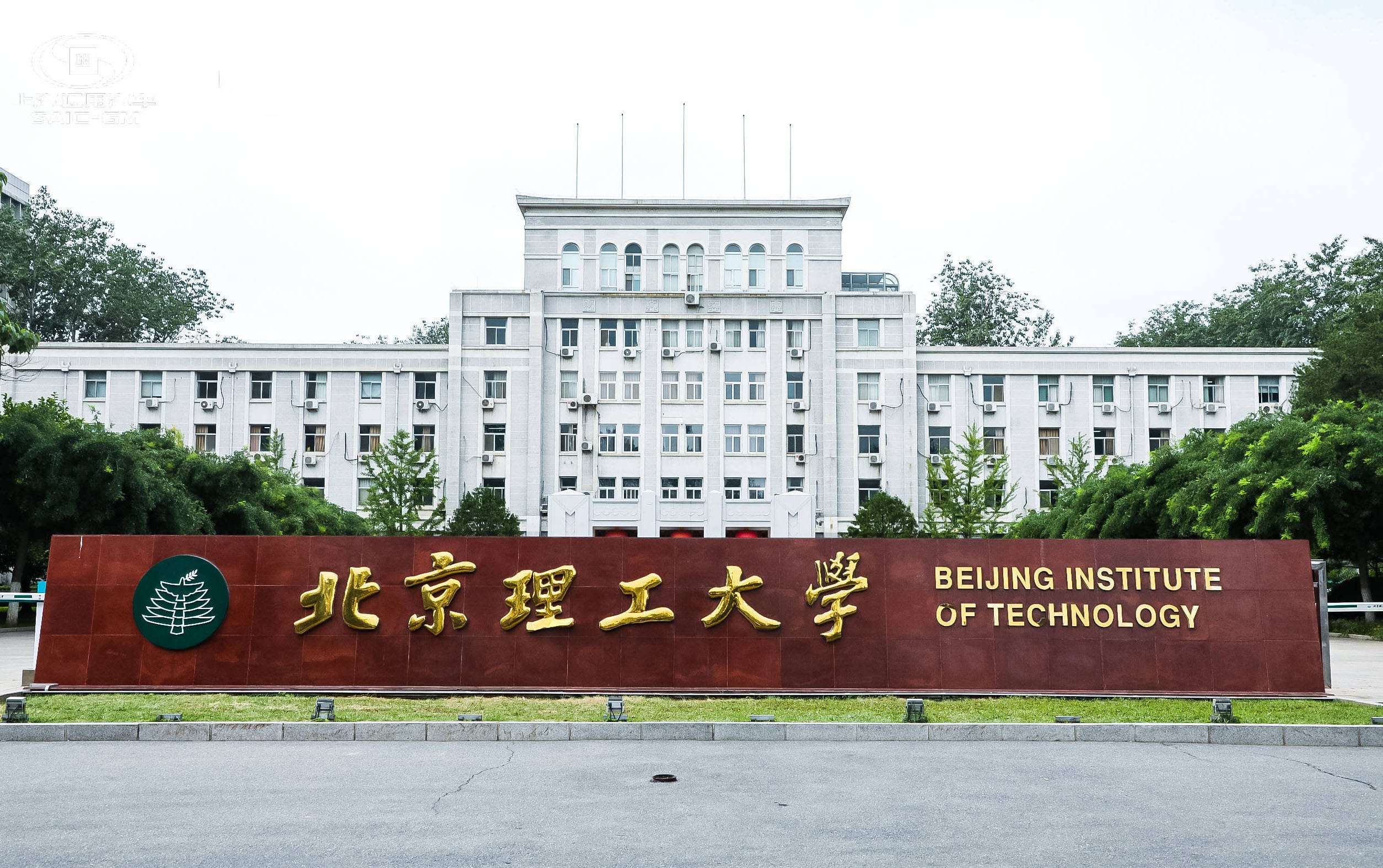
Beijing Institute of Technology (BIT) is a prestigious public engineering university located in China's capital city. Its story is one of remarkable heritage, beginning in 1940 as the Yan'an Academy of Natural Sciences, the first institution of science and engineering established by the Communist Party of China. This foundational role in national development has shaped its enduring identity. Over the decades, it evolved through several phases, including being known as the Beijing Institute of Technology, before adopting its current name in 1988. As a national key university directly under the Ministry of Industry and Information Technology, BIT holds a distinguished position in China's higher education landscape. It is a proud member of the elite "Double First Class" initiative and was among the first institutions selected for both the Project 211 and Project 985, designations that underscore its status as a top-tier research university. This historic institution, often recognized for its strengths in defense-related engineering, has successfully transformed from its foundational roots into a comprehensive modern university that continues to balance a rich legacy with cutting-edge innovation. Building on its distinguished heritage, Beijing Institute of Technology has evolved into a comprehensive university with a formidable academic scope. It encompasses a wide array of schools and departments spanning engineering, science, management, humanities, and law. Its academic strengths are nationally recognized, with several disciplines achieving top-tier ratings. Notably, its program in Armament Science and Technology holds an A+ rating, while Mechanical Engineering and Control Science and Engineering are rated A. Further A- rated disciplines include Optical Engineering, Materials Science and Engineering, Information and Communication Engineering, Computer Science and Technology, Chemical Engineering and Technology, and Management Science and Engineering. For international students, BIT offers a full spectrum of opportunities, including undergraduate, master's, and doctoral degree programs, alongside Chinese language training. The university is committed to internationalization, with numerous high-level professors dedicated to teaching in English, particularly at the doctoral level, and it provides specialized support classes to help international undergraduates transition smoothly into their academic studies. Beijing Institute of Technology operates across multiple campuses, with its primary locations being the Liangxiang Campus and the Zhongguancun Campus, both situated within the dynamic capital city of Beijing. The university's main campus setting is urban, offering students the vibrant atmosphere of a major metropolis. The Liangxiang Campus is noted for its modern facilities, including aesthetically striking teaching buildings, a comprehensive library, and a state-of-the-art Cultural and Sports Center that has won international design awards. This center houses facilities such as a standard swimming pool, and various courts for basketball, badminton, and table tennis. For international students, on-campus accommodation is typically comfortable, with most dormitory buildings being relatively new. Rooms are generally configured for four students, featuring a bed, desk, and wardrobe for each occupant, often in an 'upstairs bed, downstairs desk' layout. Shared amenities on dormitory floors commonly include public bathrooms with private shower stalls, laundry facilities, printers, and access to hot drinking water. While specific room assignments can vary, the overall dormitory environment is managed to ensure safety and order. The campuses are well-integrated into the city's infrastructure, though detailed transportation access points between campuses are not specified in the provided materials. Living expenses in Beijing, excluding tuition, can vary widely, but students should budget accordingly for an urban lifestyle in one of China's most significant cities. Beijing Institute of Technology provides a structured and supportive environment for its international student community through its dedicated International Student Center. This office manages all aspects of the student journey, from admissions and visa support to academic guidance and cultural integration. To ensure a smooth transition, the university offers comprehensive Chinese language training with multiple course levels taught by experienced faculty. A key feature is the specialized support classes for first-year international undergraduates, designed to bridge the gap between high school and university-level study. The university is also authorized to admit students under Chinese government scholarship programs. With a diverse community drawn from dozens of countries and a network of over 100 global partner institutions, international students at BIT find themselves in a vibrant, globally connected campus life in the heart of China's capital, making it an compelling choice for those seeking a top-tier education within a supportive international framework.
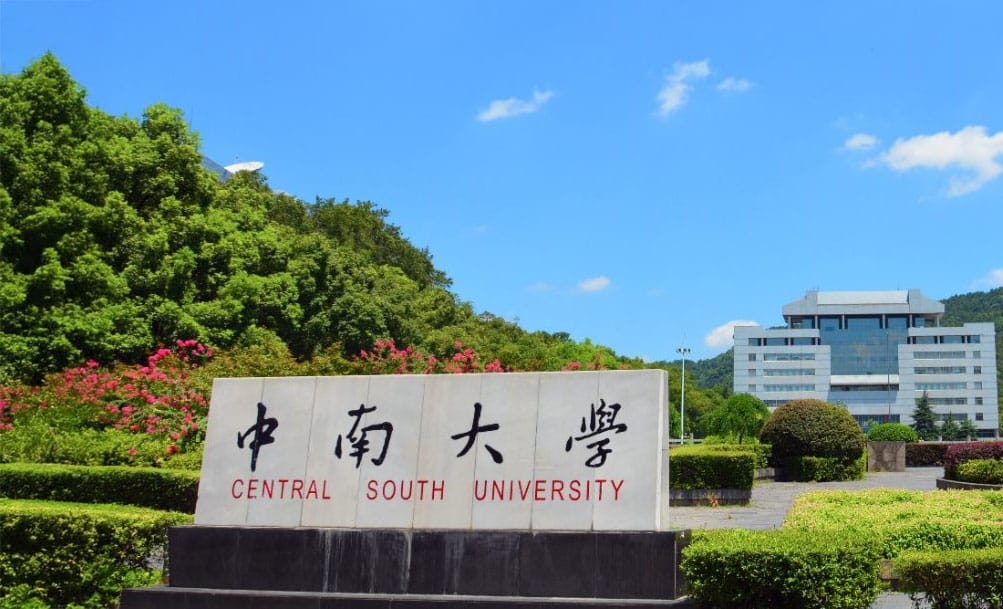
Central South University, a leading public comprehensive institution, is situated in the dynamic urban center of Changsha, the capital of Hunan Province. While its official founding date is recorded as April 29, 2000, this marks a pivotal modern transformation rather than a simple beginning. The university was formed through the strategic merger of three established institutions: Hunan Medical University (notably home to the prestigious Xiangya Medical College), the former Central South University of Technology, and Changsha Railway University. This powerful consolidation created a modern academic powerhouse with deep historical roots in key disciplines. As a distinguished member of China's elite "Double First Class" initiative and a key university under both the national 985 and 211 Projects, Central South University is recognized for its high-level research and educational excellence. Its identity is strongly linked to specialized, world-renowned strengths in fields such as metallurgy, materials science, and medicine, legacies inherited from its predecessor schools. This unique heritage provides a robust foundation for its ongoing mission as a major national research university with a growing international profile. Building upon its distinguished heritage, Central South University offers a vast and robust academic portfolio through over 30 schools and departments, spanning a comprehensive range of disciplines. These include engineering, medicine, science, management, humanities, law, and economics, reflecting its status as a major research institution. The university's academic strength is nationally recognized, with several disciplines consistently ranked at the top tier. Notably, its programs in Metallurgical Engineering, Mining Engineering, and Nursing have historically achieved top national ratings. Other prominent strengths include Safety Science and Engineering, Materials Science and Engineering, Civil Engineering, Transportation Engineering, and a suite of medical disciplines such as Basic Medicine, Clinical Medicine, and Pharmacology. For international students, the university provides a wide array of programs at the undergraduate, master's, and doctoral levels, alongside Chinese language training courses. While many programs are taught in Chinese, the university fosters a global environment and offers select English-taught programs, particularly at the postgraduate level, facilitating access to its world-class education for students worldwide. Central South University's vibrant campus life unfolds across its multiple urban campuses, including the main campus, the South Campus, and specialized sites like the Xiangya campus. The main campus setting is distinctly urban, integrated into the dynamic fabric of Changsha, and is noted for its beautiful green spaces, modern architecture, and serene lakes. Students have access to excellent facilities, including a large, well-stocked library, comprehensive sports complexes, and diverse, affordable dining options. For international students, on-campus accommodation is typically provided in dedicated dormitories. These often offer modern room types, such as twin or quad rooms, with amenities including air conditioning, private bathrooms or shared facilities, and internet access. The South Campus area, home to the modern Shenghua Student Apartments, is a major hub for student living. Transportation is convenient, with a dedicated metro station serving the South Campus area, providing easy access to the city center and other parts of Changsha, alongside internal shuttle services connecting the different campuses. Overall, the university offers a lively and supportive environment where students can easily balance their academic pursuits with a rich array of social and recreational activities. Central South University fosters a supportive and integrated environment for its international student community. The dedicated Office of International Cooperation and Exchange oversees all aspects of the international student journey, from initial admission and visa assistance to ongoing academic and personal support. This office ensures a smooth transition by managing essential services like residence permit registration and health insurance. While international students are integrated into the general student body for academics, they have access to tailored Chinese language training programs to enhance their cultural and academic immersion. The university actively promotes a vibrant social life, encouraging international students to participate in numerous campus clubs and cultural exchange activities, fostering connections with both local and fellow international peers. For those seeking financial support, Central South University offers access to various scholarship opportunities, including prestigious national programs. Overall, it provides a comprehensive and welcoming platform for students worldwide to pursue a high-quality education while experiencing life in dynamic urban China.
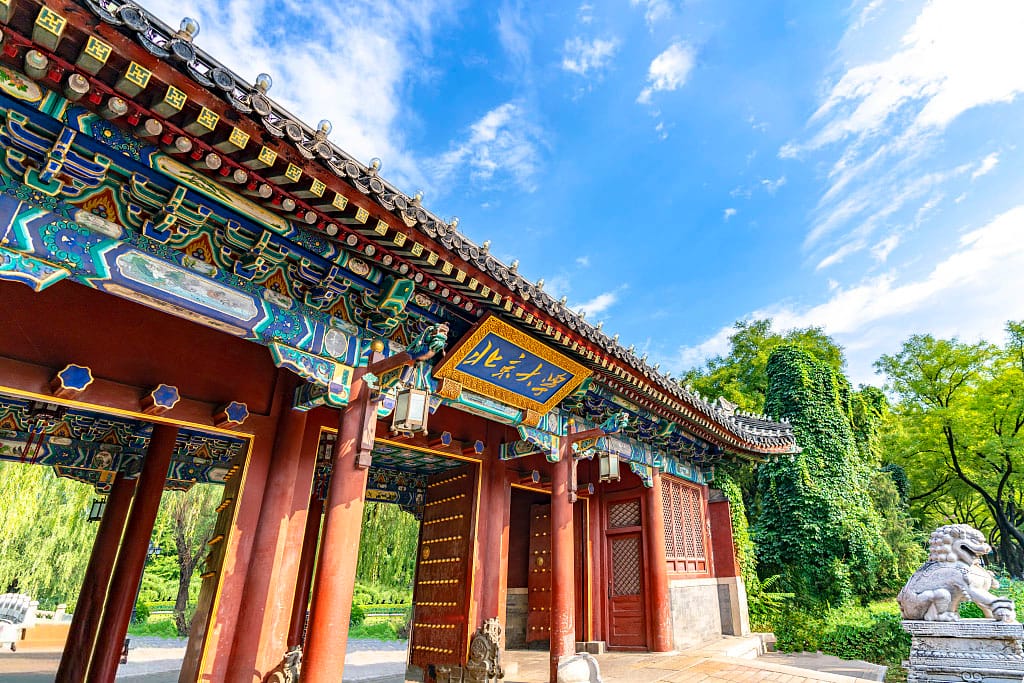
Founded in 1898 as the Imperial University of Peking, Peking University (PKU) holds a distinguished place as China's first modern national university. Its establishment in Beijing marked a pivotal moment in the nation's educational history, evolving from its original name to become a cornerstone of higher learning. Strategically located in the Haidian District of Beijing, the university benefits from its urban setting in the nation's capital, a hub of culture, politics, and innovation. As a public, comprehensive institution, PKU is universally recognized as a premier academic leader. It is a founding member of China's prestigious Project 985, a key university in the Project 211 initiative, and a designated "Double First Class" university, a status affirming its position at the very forefront of teaching and research. Over its long history, PKU has been at the heart of China's intellectual and social development, transforming through different eras while consistently cultivating leaders and pioneering scholarship that shapes the nation and the world. Peking University's academic structure is both vast and distinguished, comprising numerous schools and departments that span the full spectrum of modern scholarship. Its comprehensive nature is reflected in its broad faculty groups, covering the humanities, social sciences, sciences, engineering, medicine, and management. The university's strength is most clearly demonstrated by its exceptional performance in national discipline evaluations, where it has been rated with an impressive 21 disciplines at the prestigious A+ level. These top-tier subjects include Philosophy, Applied Economics, Sociology, Psychology, Chinese Language and Literature, Mathematics, Physics, Chemistry, Biology, Computer Science, and Basic Medical Sciences, among others. For international students, PKU offers a wide array of opportunities, including full undergraduate, master's, and doctoral degree programs, as well as non-degree options such as Chinese language training, research visits, and short-term courses. A significant number of these advanced postgraduate programs are conducted entirely in English, providing accessible pathways for global scholars to engage with its world-class faculty and cutting-edge research across its flagship disciplines. Peking University's vibrant campus life is centered on its main urban campus in the Haidian District of Beijing, an area renowned for its academic atmosphere and proximity to historic sites like the Summer Palace. The university provides dedicated accommodation for international students, typically offering rooms with private bathrooms and air conditioning. Some dormitories may also include kitchen facilities, catering specifically to the needs of students from abroad. Each room is furnished with essential items such as a bed, desk, and wardrobe, and the entire campus benefits from high-speed wireless internet. On-campus living is supported by numerous dining halls offering a wide variety of affordable meals, alongside cafes and convenience stores. For recreation and wellness, students have access to comprehensive sports facilities including a gymnasium, outdoor tracks and fields, and smaller fitness areas. The campus is well-connected by Beijing's extensive metro system, making exploration of the capital convenient. While individual spending habits vary, students can generally manage with a reasonable monthly budget for daily necessities, meals, and local transportation. Peking University fosters a welcoming and supportive environment for its international community through dedicated services and a vibrant campus life. The university’s International Students Division provides comprehensive support, including guidance on visa applications, residence permits, and academic registration. For those seeking to improve their language skills, Chinese language training programs are available. The university understands the importance of personal well-being and offers accessible psychological counseling services through its Student Psychological Health and Education Center to help students navigate academic or personal challenges. While specific scholarship details are managed by the division, various funding opportunities exist for qualified international students. Beyond academics, students are encouraged to engage in cultural exchange activities and student organizations, building a dynamic global network. For an international student, Peking University offers not just a world-class education, but a holistic experience with robust support systems in one of the world's most dynamic capitals.
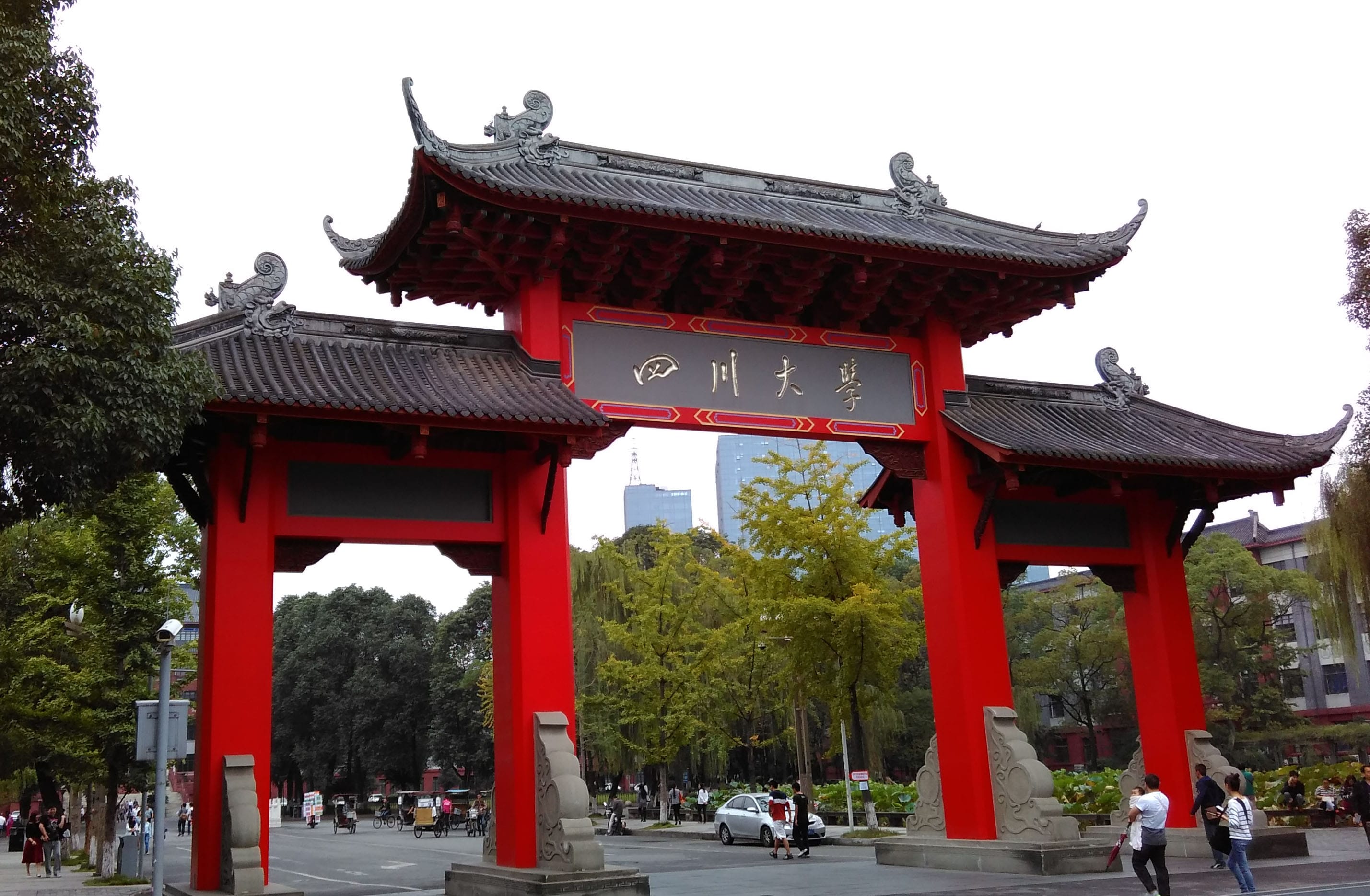
Founded in 1896, Sichuan University stands as one of China's earliest modern institutions of higher education, with a rich history deeply rooted in the dynamic city of Chengdu, Sichuan Province. As a major public comprehensive university directly under the Ministry of Education, it has grown from its foundational origins into a national academic powerhouse. Its prestige is underscored by its inclusion in China's premier higher education initiatives, being a distinguished member of both the Project 985 and Project 211, and a key university in the national "Double First Class" initiative. The university's motto, "Sea, all rivers; there is tolerance with greatness," reflects its long-standing ethos of inclusivity and scholarly pursuit. Over its storied history, Sichuan University has continually evolved, integrating with other notable institutions to strengthen its academic breadth, particularly in fields like medicine and engineering. This transformation has solidified its reputation as a top-tier research university, consistently ranked among the nation's top ten comprehensive institutions, where a commitment to pioneering academia and advancing technology continues to drive its mission forward. Building upon its distinguished heritage, Sichuan University offers a vast and robust academic landscape. The university is organized into numerous schools and departments spanning a comprehensive range of disciplines, including prominent faculties in medicine, engineering, humanities, social sciences, and natural sciences. This breadth is complemented by significant depth, with many disciplines achieving national recognition for their excellence. The university provides a wide array of programs for international students, from undergraduate and postgraduate degrees to specialized Chinese language training. For those seeking instruction in English, the university has developed select English-taught programs, particularly at the postgraduate level, such as in International Relations, where a full English curriculum is available. Furthermore, the university facilitates international pathways through its preparatory college, which offers foundational year programs in languages like Korean, preparing students for further study in fields ranging from automotive engineering and business to design and music at partner institutions. This extensive academic scope ensures that students from around the world can find a program that aligns with their ambitions within a top-tier research environment. Sichuan University's vibrant student life unfolds across its three main campuses in Chengdu: the historic Wangjiang campus, the modern Jiang'an campus, and the specialized Huaxi campus. The primary setting is urban, integrating the university seamlessly into the dynamic city. Notably, the Jiang'an campus, often the first home for new students, is celebrated as one of China's most beautiful university grounds, resembling a large park. The facilities across all campuses are first-rate, befitting its status as a top national institution. For international students, accommodation typically follows the standard on-campus dormitory model. At the newer Jiang'an campus, students often reside in apartment-style units where a large suite contains three smaller bedrooms, a shared living room, balcony, and bathroom. Each bedroom usually houses four students in bunk beds with desks below, and amenities include air conditioning, fans, and access to communal laundry facilities, activity rooms, and vending machines. Convenient on-campus commercial streets offer shops, cafes, banks, a gym, and other daily necessities. The campuses are well-connected by a reliable university shuttle bus service, and the urban location provides easy access to Chengdu's public transportation network. Living expenses in Chengdu are generally considered manageable, with estimated monthly costs for a student ranging comfortably within a moderate budget. Sichuan University is dedicated to ensuring a supportive and enriching journey for its international students. A dedicated International Student Office serves as the central hub for all matters, providing comprehensive guidance from the initial application and visa processing to arrival and daily life on campus. The university facilitates access to prestigious scholarship opportunities, including the Chinese Government Scholarship for high-level graduate students, which covers tuition, accommodation, and living expenses. Beyond administrative support, the campus fosters a vibrant, multicultural community. Students can engage in a variety of cultural activities and events, such as festive celebrations and cultural exchange performances, which help build lasting friendships and ease cultural integration. This holistic support system, combined with the university's academic prestige and welcoming environment in Chengdu, makes it an excellent choice for students seeking a truly immersive and supported educational experience in China.
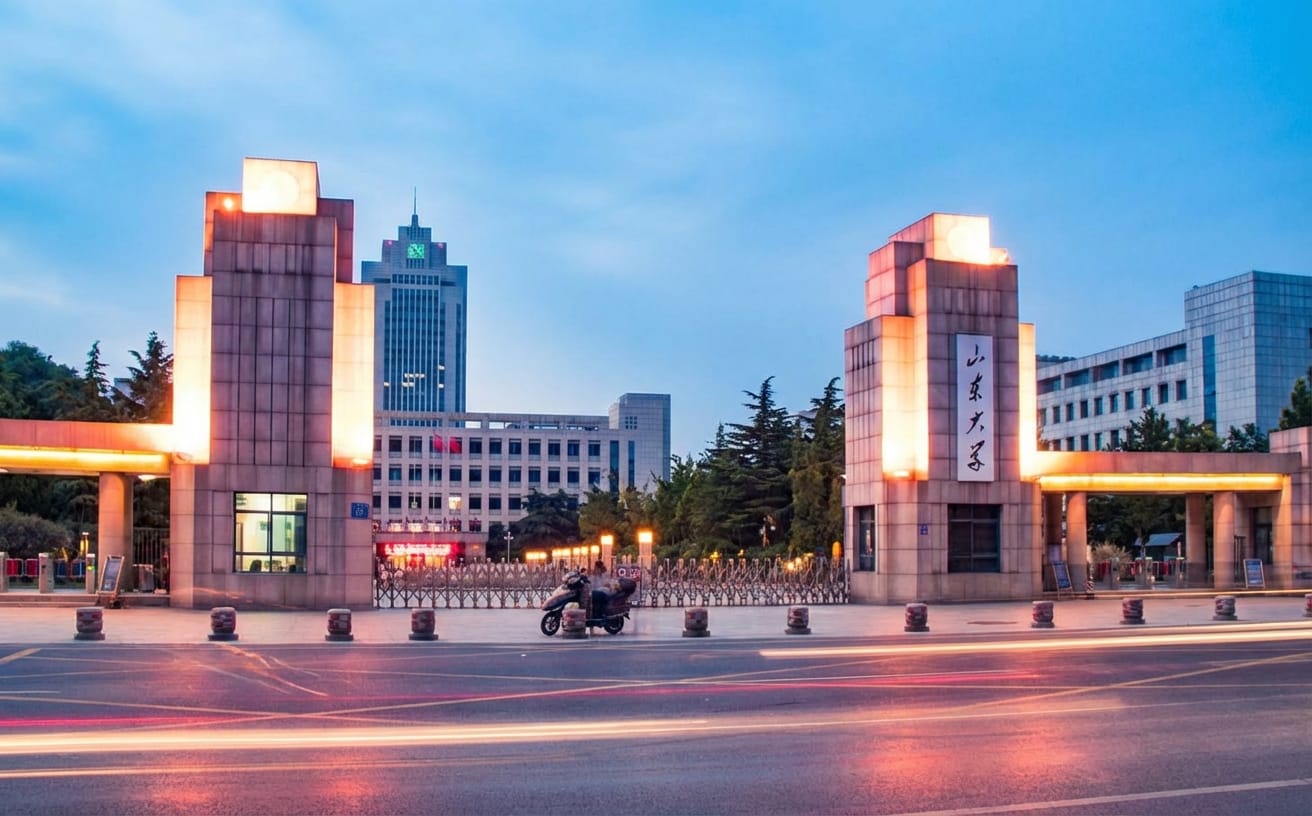
Founded in 1901 as Shandong Imperial College, Shandong University stands as one of China's pioneering modern institutions of higher education. Located in the historic city of Jinan, the capital of Shandong Province, the university has grown from its roots as a provincial academy into a major public comprehensive university with a significant national footprint. Its long history is marked by a commitment to academic excellence and cultural heritage, particularly noted for its strengths in literature, history, philosophy, and mathematics. As a prestigious member of China's Project 985 and Project 211, and as a designated "Double First Class" university in the nation's top-tier category, Shandong University is recognized for its robust research capabilities and comprehensive academic offerings. Over the decades, it has evolved through key milestones, including expansions and mergers that have solidified its status as a large, multidisciplinary institution with a profound influence both domestically and internationally. This rich heritage provides a dynamic and well-established learning environment for students from around the world. Building on its distinguished heritage, Shandong University offers an exceptionally broad academic scope through dozens of schools and departments spanning the humanities, social sciences, natural sciences, engineering, medicine, and information technology. This comprehensive structure supports a vast array of programs for international students at the undergraduate, postgraduate, and Chinese language study levels. The university is particularly renowned for its flagship disciplines, which include Chinese Language and Literature and Mathematics, both holding the highest A+ rating nationally. Other highly ranked fields, such as Clinical Medicine, Chemistry, and Materials Science and Engineering, underscore its research strength. For international scholars, the university provides a growing portfolio of English-taught degree programs, particularly at the master's and doctoral levels, allowing students to pursue advanced studies in key fields without a language barrier. This extensive academic ecosystem, supported by its status as a "Double First Class" institution, ensures students have access to top-tier education and research opportunities across a truly multidisciplinary landscape. Shandong University's vibrant student life unfolds across multiple campuses, with its primary and largest being the Central Campus in Jinan, an urban setting that serves as the academic heart of the institution. The campus features notable landmarks like the iconic Zhixin Tower and offers comprehensive facilities including modern sports complexes with swimming pools, gyms, and extensive libraries. For international students, on-campus dormitory accommodation typically consists of shared rooms, commonly configured as four-person or six-person units with bunk beds or combined bed-and-desk setups. While most rooms do not have private bathrooms, communal facilities on each floor are maintained, and a key feature is that all dormitories are equipped with air conditioning. Amenities often include access to laundry rooms, shared lounges with basic appliances, and free campus Wi-Fi. The university's location in Jinan provides good access to public transportation, and shuttle services typically connect the various campuses within the city. Living expenses for a student, including accommodation, meals, and local transport, can be reasonably managed, with a general monthly budget often estimated to range comfortably within the norms for urban centers in the region. Shandong University fosters a welcoming and supportive environment for its international community through its dedicated International Affairs Department and the comprehensive School of International Education. This specialized college oversees a wide range of services, from streamlined online application and visa processing to providing high-quality Chinese language training and cross-cultural courses designed to enhance students' academic and social integration. The university actively promotes a vibrant international community by organizing cultural activities and facilitating connections, ensuring students can build a rich social life alongside their studies. Furthermore, Shandong University offers various scholarship opportunities to support qualified international students. For those seeking a prestigious Chinese university that combines rigorous academics with a structured, supportive network for overseas students, Shandong University presents a compelling choice for a truly immersive educational experience.
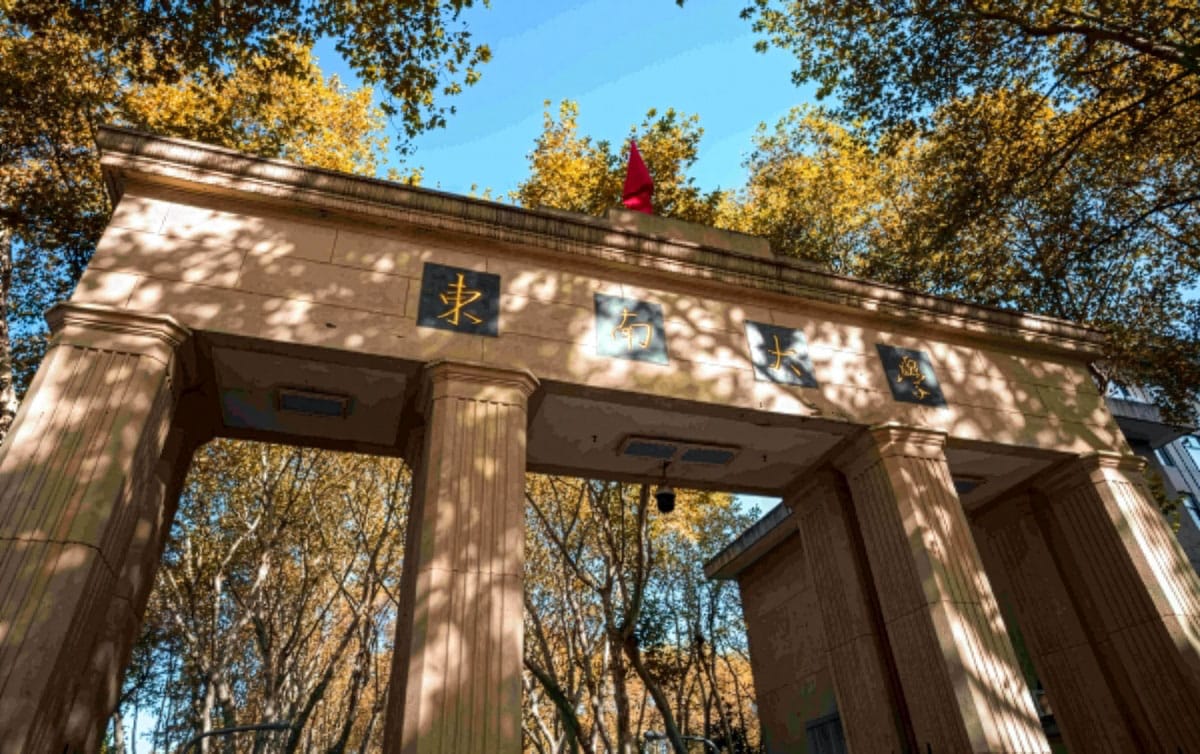
Southeast University, one of China's earliest established institutions of higher education, traces its origins to 1902 with the founding of the Sanjiang Normal College. Located in the historic city of Nanjing, Jiangsu Province, it is a public, comprehensive university renowned for its deep academic heritage. It holds a prestigious position as a national key university directly under the administration of the Ministry of Education and is a proud member of China's elite Project 211, Project 985, and Double First Class University initiatives, reflecting its status as a top-tier research institution. The university's journey is marked by significant transformations, evolving through names such as Nanjing Higher Normal School and National Central University before being renamed Nanjing Institute of Technology after 1949. It reclaimed its historical name, Southeast University, in 1988. Esteemed as one of the "Old Eight Institutes of Architecture" and a founding member of the "Four Major Engineering Institutes," its history is integral to the development of modern Chinese higher education, particularly in science and engineering, earning it the enduring reputation as a premier "seat of learning. Building upon its distinguished history, Southeast University has evolved into a comprehensive institution with a formidable academic structure. It encompasses numerous schools and departments spanning a wide spectrum of disciplines, including robust faculties in engineering, architecture, science, medicine, humanities, social sciences, and management. The university's strength is particularly evident in its nationally recognized disciplines. It boasts a significant number of national key disciplines, with flagship areas such as Architecture, Civil Engineering, Information and Communication Engineering, Electronic Science and Technology, Transportation Engineering, and Biomedical Engineering consistently receiving top-tier ratings. These are complemented by a broad array of provincial and university-level key disciplines, covering fields from Materials Science and Control Theory to Art Theory and Applied Mathematics. For international students, the university offers a comprehensive suite of programs including undergraduate and postgraduate degrees, as well as Chinese language training. While the core of its instruction is in Chinese, reflecting its deep academic tradition, a growing number of English-taught programs and courses are available, particularly at the postgraduate level in its strongest engineering and technology fields. This diverse academic portfolio ensures that students can engage with both foundational and cutting-edge knowledge within a globally engaged environment. Southeast University offers a vibrant and well-supported campus life across its multiple locations in Nanjing. The university operates several campuses, including the historic Sipailou campus, the modern Jiulonghu campus, and the Dingjiaqiao campus, each with its own distinct character. The primary setting is urban, integrating the university into the dynamic fabric of the city. The campuses are celebrated for their beauty, featuring a blend of classical and modern architecture with landmarks such as the grand auditorium and the iconic library. Notably, the university boasts extensive greenery, with tree-lined avenues and scenic spots like the famous Wutong Avenue, providing a serene environment for study and relaxation. International students are typically accommodated in on-campus dormitories. The standard arrangement is a four-person room, equipped with bunk beds, individual desks, and storage. Rooms generally include essential amenities such as air conditioning, a private bathroom, and hot water. Additional shared facilities, like laundry rooms and common study areas, are also provided for convenience. The campuses are well-connected, with the Jiulonghu campus, for instance, being served by nearby metro stations, and shuttle bus services often operate between the different university sites to facilitate easy movement. While specific monthly living expense figures are not detailed here, Nanjing is generally considered a student-friendly city in terms of cost. The combination of comfortable accommodation, beautiful green spaces, and excellent campus facilities ensures a fulfilling and engaging living experience for students from around the world. Southeast University is dedicated to fostering a supportive and enriching environment for its international community. This commitment is spearheaded by the Overseas Education College, a dedicated unit that manages all aspects of the international student journey, from admission and visa assistance to daily life services and academic coordination. Beyond administrative support, the college provides comprehensive Chinese language and culture training through its specialized Chinese Center, helping students acclimate and thrive. A significant draw for global talent is the array of scholarship opportunities, including the Chinese Government Scholarship, Nanjing Municipal Government Scholarship, and the university's own Southeast University Scholarship. Social and cultural integration is actively promoted through organized activities, student clubs, and events that celebrate cultural exchange, helping to build a close-knit global community on campus. For an international student, Southeast University offers the perfect blend of top-tier academics within a historic setting, backed by a structured support system designed to ensure a smooth, successful, and culturally immersive study experience in China.
Founded in 1922, Shanghai University (SHU) has a storied heritage as one of the first formal universities established in modern China. Its original incarnation was renowned for gathering pioneering thinkers and cultivating a generation of leaders who played significant roles in the nation's development, earning it the historic reputation as a premier institution for the arts and social sciences. Today, it is a major public, comprehensive university located in the dynamic metropolis of Shanghai. As a prestigious member of China's "211 Project" and a designated "Double First Class" university, it is recognized for its high-level research and educational excellence. The modern Shanghai University was re-established in its current form in 1994 through the merger of several local institutions, marking a new chapter of growth and integration. This evolution has solidified its position as a key university jointly built by the Chinese Ministry of Education and the Shanghai Municipal Government, committed to serving the city's and the nation's strategic development needs. Building on its distinguished heritage, Shanghai University offers a comprehensive academic environment through its numerous schools and departments, spanning a wide spectrum of disciplines. Its academic breadth is robust, with notable strengths in sociology and fine arts, both of which are recognized as A- level disciplines in national assessments. The university also holds a strong portfolio of B+ rated programs, including journalism and communication, mathematics, mechanics, mechanical engineering, materials science, and drama and film studies. For international students, the university provides a full pathway of study, welcoming applications for undergraduate, master's, and doctoral degree programs across its faculties. While many programs are taught in Chinese, the university also offers select English-taught programs, particularly in fields like economics and finance at the postgraduate level, catering to students with varying language proficiencies. This extensive and high-quality academic framework ensures that international scholars can find rigorous programs aligned with both the institution's historic strengths and modern educational demands. Shanghai University's vibrant campus life is centered primarily in its Baoshan District location, an urban setting that offers a blend of classical academic architecture and modern facilities. The campus is known for its green, tree-lined walkways and a dynamic atmosphere where students can engage in various cultural festivals and sports events. For accommodation, international students are typically housed in dedicated apartment-style dormitories. These units often feature a three-bedroom layout sharing a common living room and bathroom facilities. Each bedroom is equipped with amenities such as air conditioning and television, providing a comfortable, secure, and cost-effective living environment managed with a student-friendly approach. The campus is well-connected by Shanghai's extensive public transportation network, ensuring easy access to the city's vast resources. While specific living expense figures are not provided, the availability of on-campus conveniences like multiple student canteens offering diverse and affordable meals helps students manage their budgets effectively. This combination of a stimulating academic environment and practical, supportive living arrangements forms a welcoming community for students from around the world. Shanghai University fosters a welcoming and supportive environment for its international community through its dedicated International Education College. This college serves as the central hub for all international student affairs, managing everything from admissions and visa support to daily services and cultural integration. It actively administers prestigious scholarship programs, including the Chinese Government Scholarship, Shanghai Municipal Government Scholarship, and the Confucius Institute Scholarship, providing significant financial support for qualified students. Beyond administrative support, the college enriches the student experience by organizing a vibrant calendar of cultural activities, such as the renowned International Cultural Festival, language practice sessions, and volunteer opportunities within the local community. These initiatives, alongside student-led groups like the International Students Union, help build a strong, interconnected global community on campus. For an international student, this structured yet dynamic support system within a top-tier Shanghai university creates an ideal foundation for both academic success and a deeply engaging life in China.
Tsinghua University stands as one of China's most prestigious and globally recognized institutions of higher learning. Founded in 1911 as Tsinghua College, its origins trace back to an initiative aimed at preparing students for advanced studies in the United States. Over a century of development, it has transformed from this preparatory school into a world-class comprehensive public university. It is located in the Haidian District of Beijing, a vibrant hub of culture, technology, and academia. As a cornerstone of China's national higher education strategy, Tsinghua is a proud member of the elite C9 League and holds the highest designations within the national "Double First Class" initiative, solidifying its status as a premier center for research and innovation. Its historical journey includes significant milestones, such as its formal establishment as a national university and its evolution through various national educational reforms, consistently maintaining a leadership role in shaping China's scientific, technological, and intellectual landscape. Tsinghua University's academic structure is comprehensive and robust, organized across numerous schools and departments that span the sciences, engineering, humanities, social sciences, management, arts, and medicine. This vast disciplinary breadth provides a rich ecosystem for interdisciplinary study and research. The university's strength is most clearly demonstrated by its exceptional performance in national discipline assessments, where it holds an impressive 21 subjects rated at the highest A+ level. These top-tier disciplines include Mechanical Engineering, Control Science and Engineering, Computer Science and Technology, Architecture, Environmental Science and Engineering, Materials Science, Electrical Engineering, and Management Science, among others. For international students, Tsinghua offers a wide array of programs, including undergraduate and postgraduate degrees, as well as Chinese language training. Many of these programs, particularly at the master's and doctoral levels, are conducted entirely in English, catering to a global student body and allowing scholars to engage with cutting-edge research in their field without a language barrier. This combination of breadth, top-ranked excellence, and accessible program delivery solidifies Tsinghua's position as a leading global academic destination. Tsinghua University's vibrant campus life is centered on its primary urban campus in Haidian District, Beijing. The campus itself is renowned for its beautiful and expansive grounds, featuring tree-lined avenues, gardens, and lakes that blend classical Chinese architecture with modern academic facilities. Student life is well-supported by extensive amenities, including numerous libraries, sports centers, and student activity hubs. For accommodation, the university provides on-campus dormitories, with many undergraduate and international students residing in the well-regarded Zijing Apartments. These typically offer shared rooms, often configured as four-person suites for undergraduates and smaller arrangements for graduate students, with common living areas. Basic furnishings, internet access, and shared bathroom facilities are standard, with amenities like air conditioning available. The campus is efficiently connected by an internal shuttle bus service, and its location offers excellent access to Beijing's comprehensive metro and bus networks. While specific living expense figures are not provided, students can manage costs effectively by utilizing the many affordable and diverse on-campus dining options, from large cafeterias serving regional Chinese cuisine to casual cafes and restaurants. This combination of a scenic, well-equipped campus and integrated urban access creates a dynamic and convenient living environment for its global student community. Tsinghua University is deeply committed to fostering a supportive and enriching environment for its international community. This commitment is coordinated through the dedicated International Students and Scholars Center, which serves as a central hub for support. The center provides comprehensive assistance with practical matters such as visa processing, insurance, and scholarship applications, while also offering academic and personal development guidance. To help students integrate and thrive, the university organizes a vibrant array of cultural immersion activities, thematic salons, and supports international student clubs, all aimed at building a dynamic, multicultural campus community. These initiatives are designed to deepen understanding of Chinese culture and enhance cross-cultural adaptability. For those seeking financial support, Tsinghua offers various scholarship opportunities for international students. Ultimately, the university's focus on cultivating global competence and its extensive support network ensure that international students are not only academically challenged but also personally supported as they become part of a truly global community in the heart of Beijing.
Dalian University of Technology stands as a distinguished public institution with a profound heritage in engineering and applied sciences. Founded in 1949 on the eve of the founding of the People's Republic of China, it was the first formal university established by the state specifically to support the development of the nation's modern industrial system. Located in the coastal city of Dalian within Liaoning Province, the university has grown from this pivotal origin into a comprehensive national leader. It holds prestigious status as a member of China's Project 211 and Project 985, initiatives dedicated to developing top-tier research universities, and is further recognized as a Class A institution within the national "Double First-Class" university construction plan. This esteemed positioning reflects its consistent role at the forefront of Chinese higher education. Throughout its history, the university has undergone significant transformations, including the expansion from its original core as Dalian Institute of Technology to its current status, and the strategic development of multiple campuses, solidifying its identity as a key national base for cultivating elite talent and driving technological innovation. Building upon its distinguished heritage, Dalian University of Technology offers a comprehensive academic portfolio across a wide spectrum of disciplines. The university is organized into numerous schools and departments, providing extensive coverage in engineering, applied sciences, natural sciences, humanities, social sciences, and management. Its traditional strength lies in its robust engineering and technology programs, with flagship disciplines that are consistently ranked among the nation's best. These include highly regarded programs in Mechanical Design, Manufacturing and Automation, Civil Engineering, Naval Architecture and Ocean Engineering, Chemical Engineering and Technology, Software Engineering, and Port, Waterway and Coastal Engineering. For international students, the university provides a full pathway of academic opportunities, including undergraduate, master's, and doctoral degree programs. Specific offerings for the international community include a Master's in Teaching Chinese to Speakers of Other Languages, managed by the School of International Education. While the institution's core instruction is in Chinese, it continues to develop its portfolio of English-taught programs to cater to the global student body, allowing students to engage with its top-tier engineering and scientific research in an accessible format. Dalian University of Technology operates across multiple campuses, primarily situated in the urban setting of Dalian. The main campus is located in the Ganjingzi District, offering students a vibrant city life alongside academic pursuits. Notable facilities on campus include the Liu Changchun Gymnasium and the Bochuan Library, alongside numerous student dining halls and teaching buildings. For international students, on-campus dormitory accommodation is typically provided, with rooms generally configured for four to six occupants. These rooms are furnished with basic essentials such as beds, desks, and wardrobes, and many are equipped with air conditioning and water heaters. Shared facilities within residence halls often include laundry rooms, study areas, and provide 24-hour hot water. Access to public transportation is convenient, facilitating easy exploration of the coastal city. While specific monthly living expense figures are not detailed, students can expect costs to align with those of a major northeastern Chinese city, covering accommodation, meals, and local transportation. The campus environment blends modern academic infrastructure with the dynamic energy of Dalian. The international student experience at Dalian University of Technology is comprehensively supported by its dedicated School of International Education. This office manages all aspects of the international student journey, from admission and visa assistance to academic advising and cultural integration. The school provides essential language training through its Chinese Language Training Center and organizes a vibrant calendar of cultural activities, including language practice events, cultural festivals, and enterprise visits, to help students immerse themselves in Chinese culture. International students have access to various scholarship opportunities, such as the Chinese Government Scholarship, Liaoning Provincial Government Scholarship, and the university's own Presidential Scholarship. With a diverse community of students from over 110 countries, the university fosters a welcoming and dynamic social environment. For an international student, this combination of structured support, financial aid, and a rich multicultural campus life makes it an compelling choice for pursuing a high-quality education in China.
Founded in 1920 as the Harbin Sino-Russian Industrial School, Harbin Institute of Technology (HIT) has grown from its origins as a joint educational endeavor into one of China's most prestigious public engineering universities. Located in the northern city of Harbin, within Heilongjiang Province, its urban campus has been a center of academic and technological development for over a century. The university's identity is deeply intertwined with China's modern history and its pursuit of scientific excellence. It was designated as a national key university in 1954 and later played a pivotal role as one of two model institutions for learning from the Soviet education system. This legacy of high-level training and research paved the way for its subsequent recognition as a member of China's elite Project 211 and Project 985 initiatives, cementing its status among the nation's top-tier research universities. Today, it also holds the distinguished "Double First Class" designation, a testament to its ongoing commitment to building world-class disciplines. Throughout its history, from its early Sino-Russian management to its current leadership under China's Ministry of Industry and Information Technology, HIT has consistently been at the forefront of engineering education and innovation, shaping its enduring reputation for academic rigor and pioneering spirit. Building upon its distinguished heritage, Harbin Institute of Technology offers a vast and robust academic portfolio. The university is organized into numerous schools and departments, forming a comprehensive framework that spans science, engineering, management, and the humanities, with a preeminent focus on engineering and technology. Its academic strength is nationally recognized, with disciplines such as Mechanics, Mechanical Engineering, Instrument Science and Technology, Materials Science and Engineering, Control Science and Engineering, and Computer Science and Technology consistently ranked among the top in China. Notably, its Mechanics discipline has been ranked first nationally. Furthermore, several fields, including Materials Science and Engineering, have achieved global prominence, ranking within the top one percent and even the top one-thousandth of institutions worldwide according to ESI metrics. For international students, HIT provides a full spectrum of programs including undergraduate, master's, and doctoral degrees, alongside non-degree options like Chinese language training and professional internships. While the university's core instruction is in Chinese, a selection of postgraduate programs are offered in English, catering to a diverse international student body seeking a high-caliber education at a leading Chinese technological university. Harbin Institute of Technology operates multiple campuses, with its primary presence in the city of Harbin. The Harbin location itself is divided into two main urban campuses: the First Campus, which is the historic, older campus hosting most senior undergraduate and graduate students, and the Second Campus, which primarily accommodates first-year undergraduates for their initial year of study. The university also maintains separate campuses in the coastal city of Weihai and the southern metropolis of Shenzhen. The main campuses in Harbin offer a practical, urban setting with a strong focus on academics, featuring numerous libraries and study spaces, as well as sports facilities that cater to student fitness needs. For international students, dedicated dormitory accommodation is available. The modern international student apartments are suite-style, featuring a shared common area with air conditioning, two bathrooms, and typically four individual bedrooms, each designed for single occupancy with furnishings including a bed, desk, and storage. Living in Harbin is generally considered affordable, with monthly expenses for a student estimated to be reasonably low compared to major coastal cities in China. The campuses are well-integrated into the city's public transportation network, providing convenient access to the wider urban area. The university fosters a welcoming and supportive environment for its international community through its dedicated International Education College. This office serves as the central hub for all matters concerning international students, handling everything from initial application and admission to visa and residence permit assistance, ensuring a smooth transition to life in China. Beyond administrative support, the college organizes comprehensive Chinese language training and cultural immersion activities, such as the "Perceiving China" program and cultural exchange events, to help students adapt and thrive. International students have access to various scholarship opportunities, including Chinese Government Scholarships, to support their studies. The campus social life is enriched by organized activities like sports meets and international student coffee corners, fostering a vibrant community. For an international student seeking a top-tier engineering education within a structured, supportive, and culturally engaging environment, Harbin Institute of Technology presents a compelling choice.