
Explorer
Discover world-class programs and universities across China
Filters

Discover world-class programs and universities across China
Discover world-class programs and universities across China
Discover world-class programs and universities across China
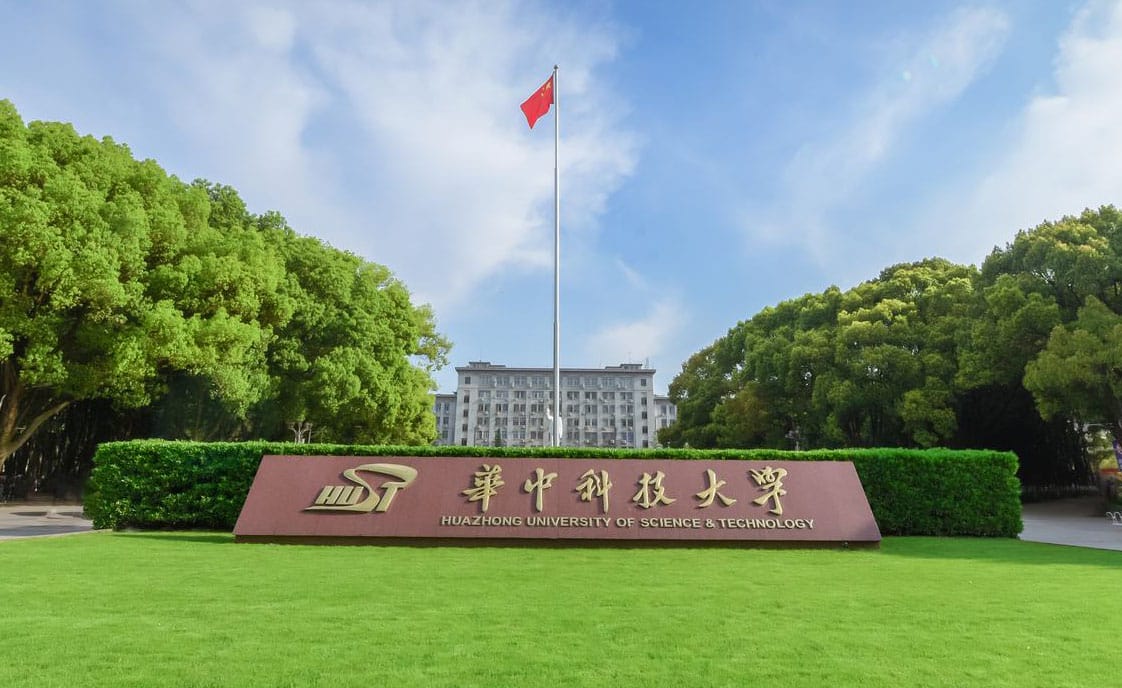
Wuhan, Hubei
Huazhong University of Science and Technology (HUST) is a prestigious public comprehensive university located in Wuhan, the capital of Hubei Province. Its story began in 1952 with the founding of its primary predecessor, Huazhong Institute of Technology. The modern university was formed in 2000 through a significant merger of three distinguished institutions: the former Huazhong University of Science and Technology (renamed from the Institute in 1988), the Tongji Medical University (whose origins trace back to a German-Chinese medical school established in 1907), and the Wuhan Urban Construction Institute. This fusion created a powerful academic entity with deep roots in engineering, medicine, and urban development. As a key university directly under China's Ministry of Education, HUST holds the highest national recognitions, being a proud member of both the Project 211 and Project 985 initiatives, and it is designated as a national "Double First Class" university, a status affirming its position among the country's top-tier institutions for building world-class disciplines. This rich heritage of integration and excellence has shaped HUST into a leading research powerhouse with a formidable reputation across a wide spectrum of fields. Building upon its distinguished heritage, Huazhong University of Science and Technology (HUST) offers an exceptionally broad and deep academic portfolio. The university is organized into numerous schools and departments spanning a comprehensive range of disciplines. Its academic strengths are particularly pronounced in engineering, medicine, and the sciences, reflecting its historical roots. The institution boasts a significant number of nationally recognized key disciplines, including top-tier national first-level disciplines such as Mechanical Engineering, Optical Engineering, Materials Science and Engineering, Power Engineering and Engineering Thermophysics, Electrical Engineering, Control Science and Engineering, and Biomedical Engineering. Furthermore, it excels in key second-level national disciplines across fields like Western Economics, Higher Education, Biophysics, Computer System Architecture, and several medical specialties including Internal Medicine and Surgery. For international students, HUST provides a wide array of programs at the undergraduate, master's, and doctoral levels, alongside Chinese language training courses. A growing selection of these programs, especially at the postgraduate level, are taught entirely in English, making advanced study accessible to a global student body. This extensive academic scope, anchored by its top-rated disciplines, positions HUST as a leading destination for students seeking a rigorous and comprehensive education in China. The university's main campus is situated in an urban setting within Wuhan, offering a vibrant and expansive environment for student life. While often referred to as a single, large campus, it is organized into distinct residential and academic zones, including the western, central, and eastern areas. The campus is renowned for its beautiful, park-like atmosphere with a high green coverage rate, featuring tree-lined avenues, hills, and proximity to East Lake. Notable landmarks include the iconic South Building One and the modern East Nine Teaching Building, famous for its stunning springtime magnolia blossoms. For accommodation, international students are typically housed in on-campus dormitories. While specific room assignments vary, many dormitories offer four-person rooms with bunk beds or lofted beds with desks below. Amenities often include air conditioning, campus Wi-Fi, shared laundry facilities, and common bathrooms, though some older buildings may have communal shower facilities. The campus is well-served by internal shuttle buses, and the Wuhan Metro Line 2 has a station conveniently located at the university's south gate, providing excellent access to the city center and other parts of Wuhan. With numerous on-campus cafeterias and comprehensive student services, daily life is both convenient and engaging. Huazhong University of Science and Technology (HUST) fosters a supportive and dynamic environment for its international community. The dedicated International Education School serves as a central hub, providing comprehensive services from initial admission through to graduation. This includes essential visa and residence permit assistance, with streamlined procedures designed for efficiency. To help students acclimate, the university offers Chinese language training and organizes cultural immersion activities that deepen understanding of local traditions. HUST welcomes a diverse body of over a thousand international students annually from across the globe, creating a vibrant multicultural campus life. This active international community, supported by dedicated services and a commitment to cross-cultural exchange, makes HUST an excellent choice for students seeking a truly integrated and supportive educational experience in China.
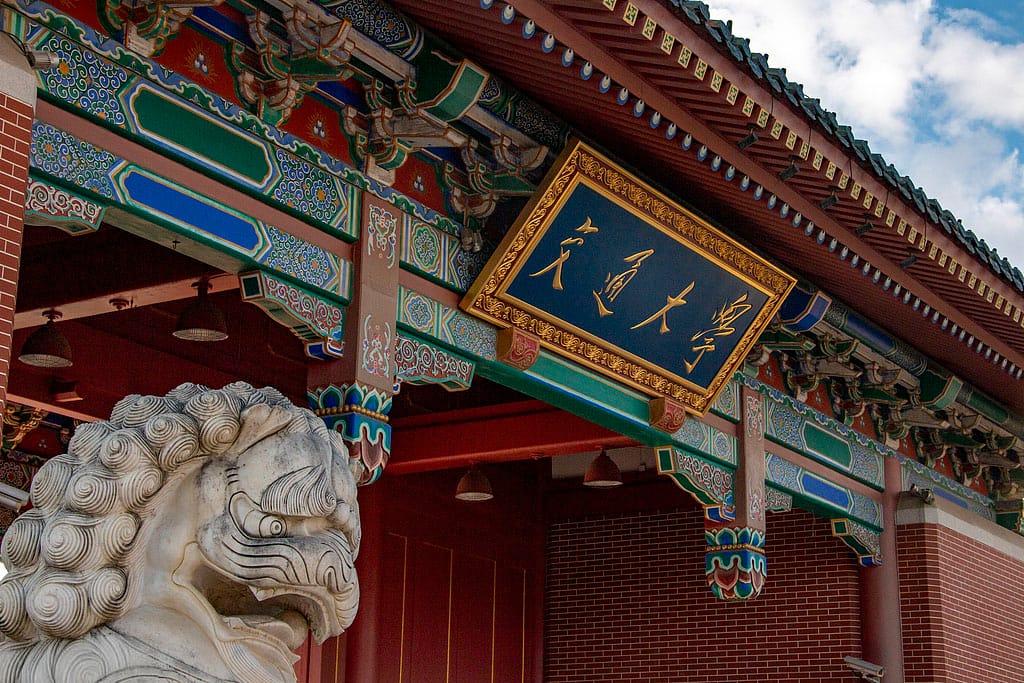
Shanghai
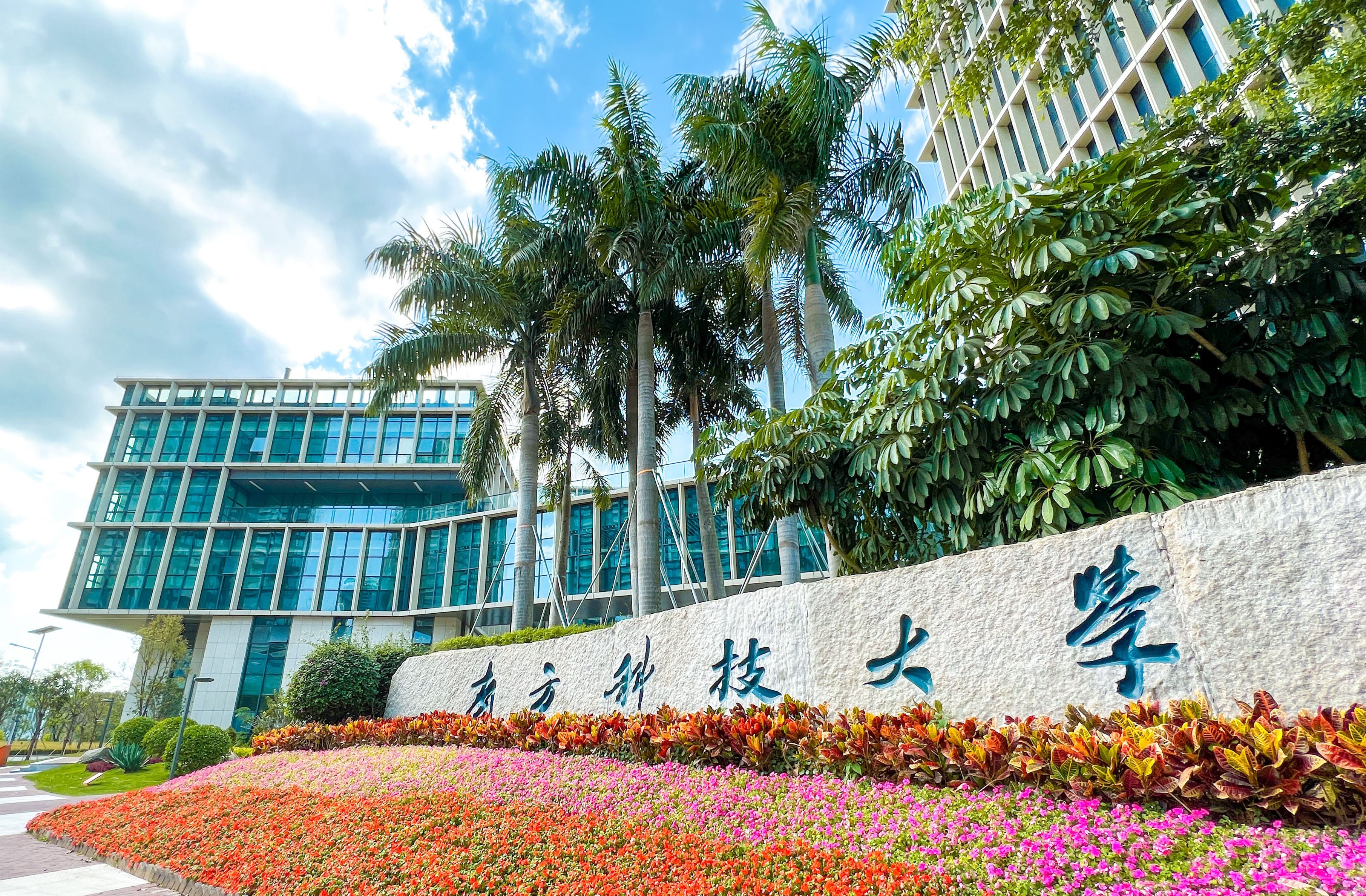
Shenzhen, Guangdong
Southern University of Science and Technology (SUSTech) is a public, research-intensive university founded in 2011. It was established in the city of Shenzhen, Guangdong province, as a bold experiment in higher education reform, conceived from the outset to be a high-caliber, innovative institution. Its creation was driven by the national mission to pioneer new educational models and to serve the development of Shenzhen as a hub for innovation. Classified as a comprehensive university with a strong focus on science, engineering, and related disciplines, SUSTech has rapidly distinguished itself. While a young university, it has earned a place among China's most dynamic academic institutions and is recognized as a Double First Class university, a designation highlighting its commitment to building world-class disciplines. This prestigious status underscores its rapid ascent and its role as a forerunner in China's modern educational landscape. From its inception, SUSTech was designed to integrate research and education seamlessly, aiming to quickly become an internationally recognized high-level research university. Its story is one of ambitious transformation, evolving in just over a decade from a pioneering concept into a key academic pillar within one of the world's most innovative cities. Building on its innovative foundation, Southern University of Science and Technology offers a comprehensive academic structure anchored in science, engineering, and medicine. The university is organized into numerous schools and departments, providing a broad disciplinary scope that spans fundamental sciences, advanced engineering, information technology, environmental studies, life sciences, and finance. Its academic strength is evidenced by a robust portfolio of nationally recognized programs. It has five National First-Class Undergraduate Majors, which include Physics, Optoelectronic Information Science and Engineering, Mathematics and Applied Mathematics, Theoretical and Applied Mechanics, and Biomedical Engineering. Furthermore, the institution supports advanced research through seven doctoral degree authorization points in disciplines such as Mathematics, Physics, Chemistry, Biology, Mechanics, Geophysics, and Materials Science and Engineering. For international students, SUSTech provides a pathway to high-level education, offering doctoral programs and likely other postgraduate opportunities. While specific details on all English-taught programs are not enumerated here, the availability of doctoral studies for international applicants indicates a commitment to an internationalized academic environment. This extensive and high-caliber academic framework allows students to engage with cutting-edge research and study within some of China's most highly regarded disciplines. Southern University of Science and Technology operates from its primary urban campus in Shenzhen, a city renowned for its innovation and dynamism. The campus is designed with modern architecture and green spaces, fostering a vibrant and collaborative environment for study and research. Notable facilities include a comprehensive sports center and various student activity buildings that support a wide range of extracurricular pursuits. For accommodation, international students are typically housed in on-campus dormitories. The room configurations vary by academic level, with undergraduate students often in shared four-person rooms, while postgraduate students may have access to double rooms or single rooms, many featuring en-suite bathrooms. These residences are well-equipped with essential amenities such as air conditioning, internet access, and laundry facilities. The campus is well-connected within Shenzhen, with convenient access to the city's extensive metro network, facilitating easy exploration. While specific monthly living expense figures are not detailed here, students can expect costs typical for a major Chinese metropolis, covering accommodation, meals, and local transportation. The overall setting provides a comfortable, modern, and integrated living and learning experience in the heart of a global technology hub. Southern University of Science and Technology fosters a supportive and dynamic environment for its international student community. The university is dedicated to providing comprehensive services through its dedicated international office, which assists students with essential matters such as visa processing and orientation. To help students integrate and thrive, the university offers language training programs and organizes regular cultural activities and excursions, allowing for deeper engagement with both the campus community and the vibrant city of Shenzhen. A variety of scholarship opportunities are available to support talented international scholars in their academic pursuits. This commitment to a structured support system, combined with the university's innovative, research-driven ethos and location in a global hub, makes it an attractive destination for students seeking a forward-looking and internationally-minded education in China.
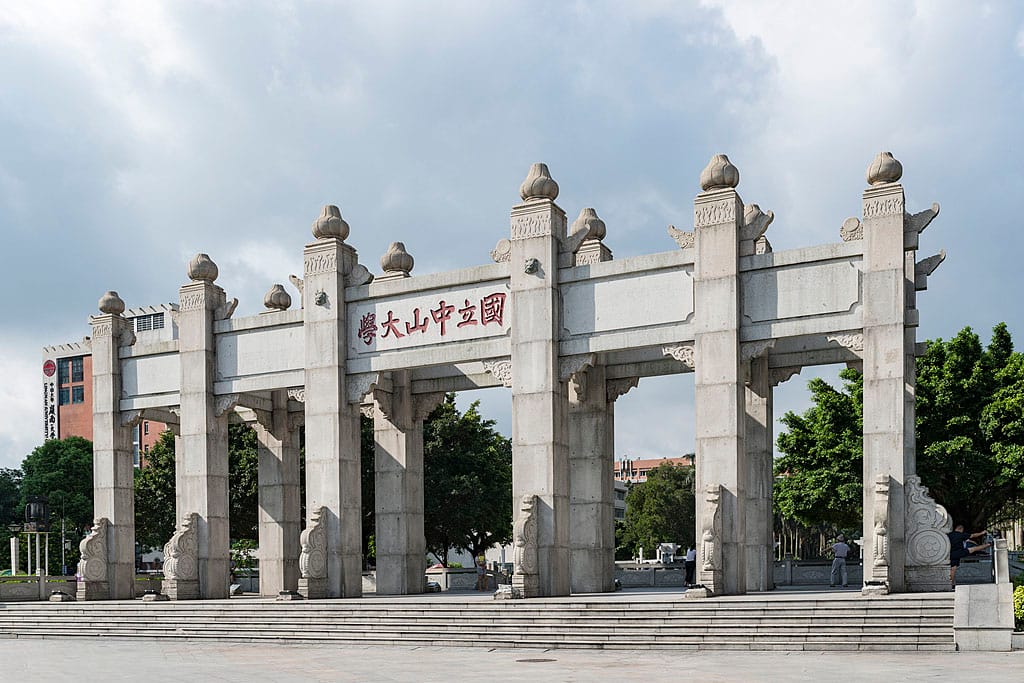
Guangzhou, Guangdong
Tianjin
Chengdu, Sichuan
Beijing
Hefei, Anhui
Wuhan, Hubei
Xi'an, Shaanxi
Guangzhou, Guangdong
Xiamen, Fujian
Hangzhou, Zhejiang
Shanghai Jiao Tong University, one of China's oldest and most prestigious institutions of higher learning, was founded in 1896 as the Nanyang Public School. It was established in Shanghai by Sheng Xuanhuai, a key reformist official of the late Qing Dynasty, marking a pivotal moment in China's modern educational history. Located in the dynamic metropolis of Shanghai, this public, comprehensive university is directly under the administration of China's Ministry of Education. It holds a distinguished position as a founding member of both the C9 League and Universitas 21, and is a proud member of China's elite Project 985 and Project 211, designations that recognize it as a top-tier national research university. Its journey reflects China's own transformation: originally named Nanyang Public School, it evolved through names like Nanyang University and Shanghai Industrial College, and was later known as National Chiao Tung University. A significant restructuring in 1959 led to the establishment of the standalone Shanghai Jiao Tong University. Major expansions followed, including mergers with the former Shanghai Agricultural College in 1999 and the Shanghai Second Medical University in 2005, which solidified its comprehensive strength, particularly in engineering, business, and medicine. Today, it stands as a globally recognized, research-intensive university steadily advancing its position among the world's best. The university's academic structure is both vast and distinguished, comprising numerous schools and departments that span a comprehensive range of disciplines. Its academic breadth is organized into key faculty groups covering engineering, medicine, management, science, humanities, law, and agriculture. This extensive scope is anchored by several flagship disciplines that are consistently ranked among the nation's best. Notably, the university boasts five subjects rated at the prestigious A+ level: Biology, Mechanical Engineering, Naval Architecture and Ocean Engineering, Clinical Medicine, and Business Administration. Other highly ranked A-level disciplines include Mathematics, Physics, Materials Science, and Information and Communication Engineering. For international students, the university offers a wide array of programs at the undergraduate and postgraduate levels, alongside dedicated Chinese language programs. Many of these degree programs are available in English, particularly at the graduate level in fields like engineering, business, and international relations, providing accessible pathways for a global student body to engage with its top-tier academic resources. The university operates multiple campuses, with its primary and largest being the Minhang Campus located in the southwestern part of Shanghai. This main campus offers a vibrant urban-suburban setting, featuring notable landmarks like the picturesque Siyuan Lake, a popular evening spot, and the modern Minhang Library. Student life is supported by numerous facilities, including several campus cafeterias—each with distinct character and cuisine—a student activity center, and the Hualian Life Center which houses shops, restaurants, and services. For international students, on-campus dormitory accommodation typically offers shared rooms, often configured with four beds per room for undergraduates and two for postgraduates, featuring private bathrooms and standard amenities. The campus is well-integrated into the city's transportation network, providing convenient access. While specific living expense figures are not detailed, students can manage costs effectively using the on-campus amenities. The comprehensive facilities and active community ensure a fulfilling and convenient living experience in Shanghai. Shanghai Jiao Tong University fosters a welcoming and supportive environment for its international community through its dedicated International Education School. This school manages all aspects of the international student journey, from admission and visa guidance to ongoing academic and personal support. To help students integrate, the university offers comprehensive Chinese language training programs and organizes various cultural activities and excursions. A range of scholarships are available to support outstanding international students at different academic levels. The vibrant, globally diverse student body, coupled with the dynamic backdrop of Shanghai, ensures a rich social and community life. For an international student, this combination of top-tier academics within a world-class city, backed by structured support, makes for a uniquely rewarding and transformative educational experience.
Sun Yat-sen University, a premier public comprehensive institution, was founded in 1924 in Guangzhou, Guangdong province. Its origins trace back to National Guangdong University, established by the revolutionary leader Dr. Sun Yat-sen, whose vision for national rejuvenation through education laid the cornerstone for the university's enduring legacy. As a key national university directly under the Ministry of Education, it holds a distinguished position within China's higher education system, being a proud member of the prestigious Project 985, Project 211, and the national "Double First Class" initiative, which recognizes its status as a top-tier institution committed to world-class excellence. Over its century-long history, the university has evolved from a single campus into a major multi-campus academic hub, now encompassing campuses in Guangzhou, Zhuhai, and Shenzhen. This strategic expansion reflects its ongoing transformation and growing influence as a southern powerhouse for academic research and talent cultivation, continuously building upon its rich heritage to address modern challenges. Building upon its distinguished heritage, Sun Yat-sen University offers a vast and comprehensive academic scope across its multiple campuses. The university is organized into numerous schools and departments, providing a wide disciplinary breadth that spans the humanities, social sciences, natural sciences, medical sciences, and engineering. Its academic strength is nationally recognized, with flagship disciplines including Biology and Business Administration, which are designated as national first-tier key disciplines. The university also boasts a deep roster of highly ranked programs, such as Clinical Medicine, Mathematics, Chemistry, History, Philosophy, and Chinese Language and Literature, many of which are recognized as national key or characteristic specialties. For international students, the university provides a full spectrum of opportunities, including undergraduate, master's, and doctoral programs, alongside dedicated Chinese language training. While many programs are taught in Chinese, the university offers a selection of English-taught courses and programs, particularly at the postgraduate level, catering to the global student community. This extensive and high-caliber academic environment makes it a compelling destination for students seeking a rigorous and well-rounded education in China. Sun Yat-sen University operates across three primary campuses located in the dynamic cities of Guangzhou, Zhuhai, and Shenzhen, offering students diverse urban experiences. The historic main campus in Guangzhou, often referred to as the South Campus, features a beautiful and vibrant urban setting. Notable landmarks include the iconic North Gate archway overlooking the Pearl River, the grand Huai Shi Hall auditorium, and expansive central lawns perfect for study and relaxation. The campus is known for its harmonious blend of historic red-brick buildings and modern facilities, including well-equipped teaching buildings, a cultural arts center, and comprehensive sports amenities like gymnasiums, basketball courts, and a swimming pool. For international students, on-campus accommodation typically includes dormitories with rooms configured as doubles or quadruples, featuring private bathrooms, air conditioning, and a standard setup of beds above study desks. Many residence halls offer independent balconies, constant hot water, and shared common areas on each floor for socializing. The campus is designed for convenience, with dormitory areas nestled among tree-lined paths and situated close to multiple student canteens offering a wide variety of affordable meals. Living in the heart of Guangzhou provides excellent transportation access, including proximity to metro stations and river ferries, with the famous Canton Tower just a short walk from the North Gate. While individual spending varies, general monthly living expenses for a student in Guangzhou can be reasonably managed. Sun Yat-sen University fosters a welcoming and supportive environment for its international community. Dedicated offices, such as the School of International Studies, provide comprehensive support from initial inquiry through graduation, including assistance with visas, airport pickup, and settlement services. The university offers structured Chinese language training programs to help students integrate and succeed academically. Beyond the classroom, international students are encouraged to participate in a rich calendar of cultural activities and events, facilitating meaningful connections with both local and fellow international peers. This supportive framework, combined with the vibrant, multi-campus life in dynamic southern Chinese cities, makes the university an ideal choice for students seeking a truly immersive and well-supported educational experience in China.
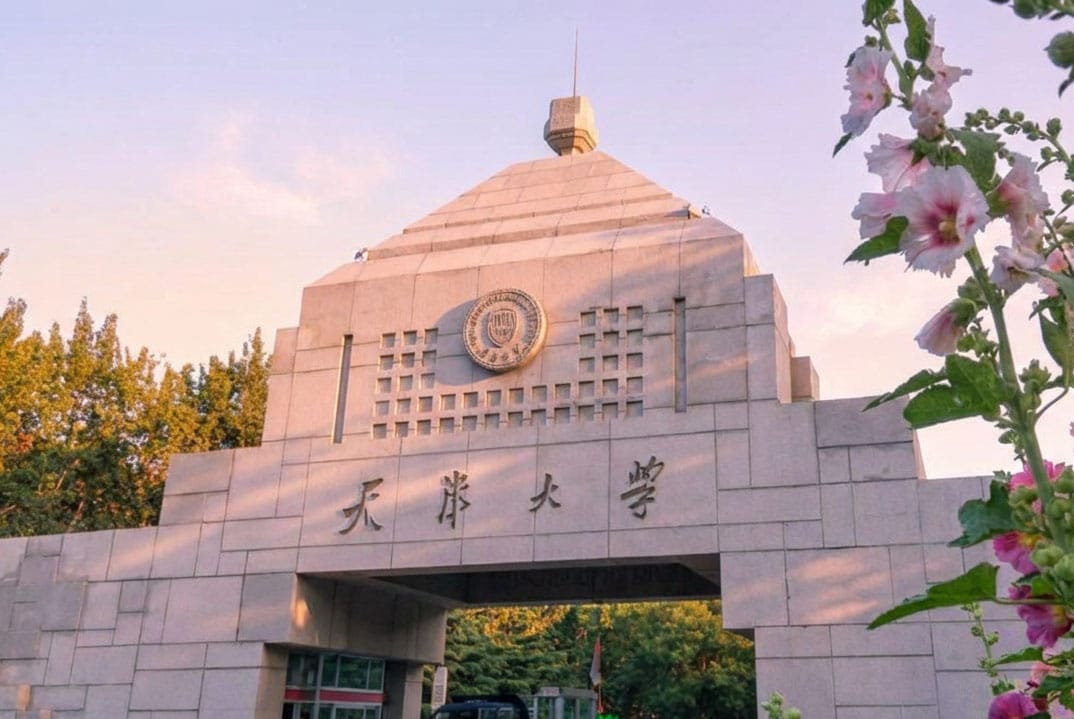
Tianjin University stands as a historic pillar of modern Chinese higher education. Founded on October 2, 1895, its origin traces back to Peiyang University, recognized as China's very first modern university. This profound heritage is encapsulated in its enduring motto of "Seeking Truth from Facts," a scholarly ethos of rigorous study, and a proud tradition of patriotic service. Located in the vibrant, cosmopolitan city of Tianjin, this public engineering-focused institution has consistently been at the forefront of national development. It was designated as one of the first 16 national key universities in 1959 and is a prestigious member of China's top-tier initiatives, including the Project 211, the Project 985, and the Double First Class University Plan as a Class A institution. A significant milestone in its evolution was its renaming to Tianjin University in 1951 following a national restructuring of academic departments. This long history of excellence has cemented its reputation as a leading research and educational hub, blending a storied past with a dynamic, forward-looking vision on the global stage. Building upon its distinguished heritage, Tianjin University offers a comprehensive and robust academic portfolio. The university is organized into numerous schools and departments, providing a wide breadth of study across engineering, sciences, management, architecture, and the humanities. Its academic strength is nationally recognized, with several disciplines achieving top-tier ratings in official assessments. Notably, its Chemical Engineering and Technology program holds the prestigious A+ rating, while Mechanical Engineering, Optical Engineering, Instrument Science and Technology, and Management Science and Engineering are rated A. A further array of disciplines, including Civil Engineering, Architecture, Environmental Science and Engineering, and Software Engineering, are rated A-, highlighting the depth of its excellence. For international students, the university provides a full spectrum of programs, including undergraduate and postgraduate degrees, alongside Chinese language training. While specific details on English-taught programs require direct consultation with the university, its status as a major global institution indicates a growing portfolio of courses designed for an international classroom, allowing students to engage with world-class faculty and cutting-edge research in its flagship fields. Tianjin University provides a dynamic and well-equipped campus life across its two main locations. The historic Weijin Road campus offers a classic urban university experience in the heart of the city, while the expansive and modern Beiyangyuan campus is situated in the Jinnan District. Both campuses feature a comprehensive range of facilities to support student life, including multiple large cafeterias with diverse food options, on-campus convenience stores like 7-Eleven and Lawson, and popular international chains such as KFC, Luckin Coffee, and Mixue Ice Cream. Recreational amenities like swimming pools, gyms, and numerous coffee shops are also available. For accommodation, international students can expect well-maintained dormitories. Rooms are typically configured as four-person units with bunk beds and personal desks, or as more private two-person suites for postgraduate students. All rooms are equipped with air conditioning and heating, and each building provides shared amenities like laundry rooms, 24-hour study lounges, vending machines, and printers. Bathroom facilities are generally shared, with shower rooms located on each floor. The campuses are well-connected, with the urban Weijin Road site offering easy access to Tianjin's public metro system. A convenient shuttle service operates between the two campuses, facilitating travel for academic and social activities. Overall, students can manage their living expenses comfortably within a typical range for the city, enjoying a vibrant and self-contained community. Tianjin University fosters a welcoming and supportive environment for its international community through its dedicated School of International Education. This central office manages all aspects of the international student journey, from admissions and visa guidance to comprehensive support services. Students have access to structured Chinese language training programs and a variety of cultural activities designed to ease their transition and deepen their understanding of China. The university actively encourages applications through several scholarship avenues, including the Chinese Government Scholarship, Tianjin Municipal Government Scholarship, and its own Tianjin University Scholarship. This creates a vibrant, multicultural campus where students from over 40 countries can connect, share experiences, and build a global network. For an international student seeking a top-tier education within a structured, supportive, and genuinely global community in a dynamic Chinese city, Tianjin University presents a compelling choice.
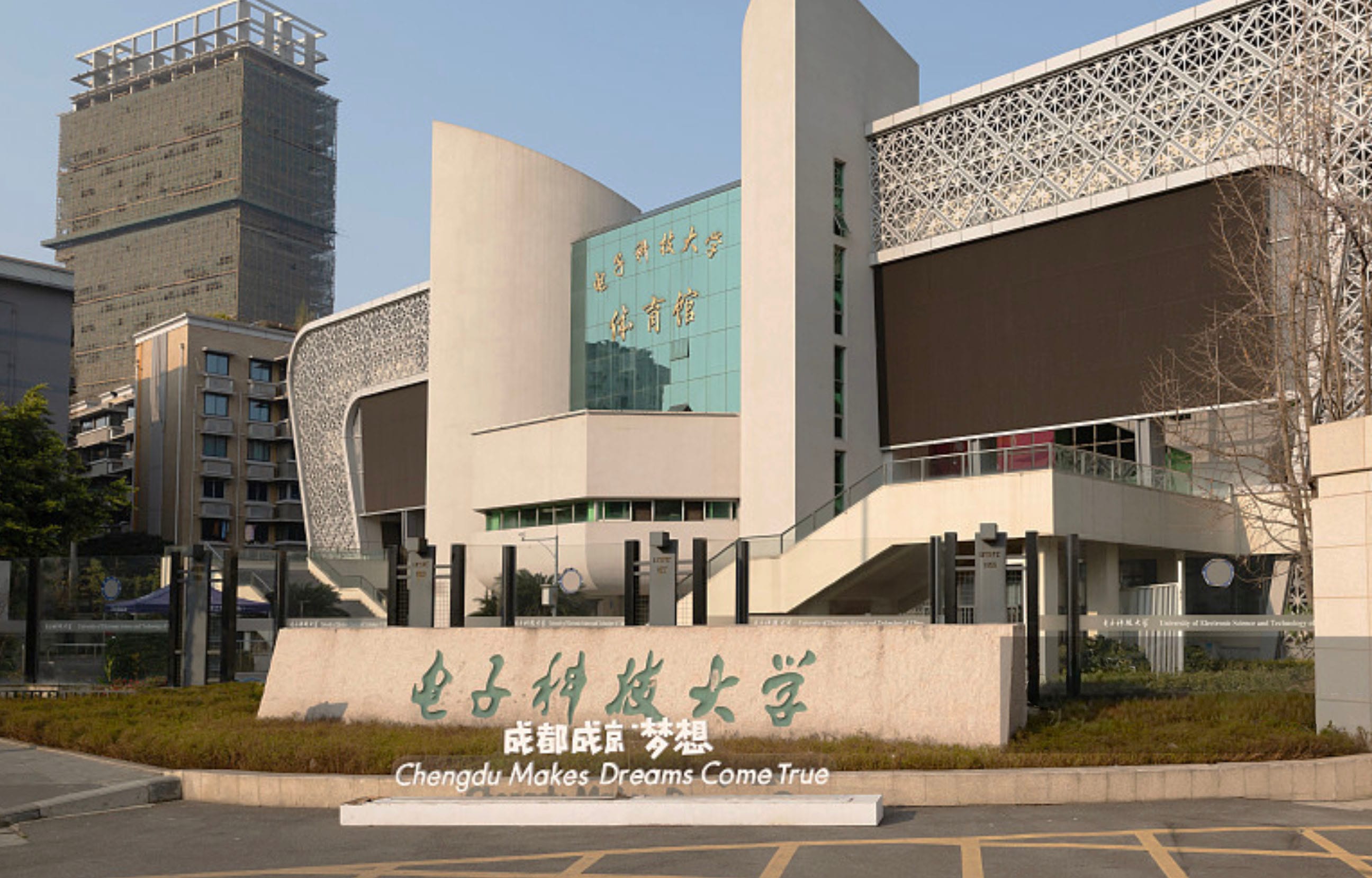
Founded in 1956 as the Chengdu Institute of Telecommunication Engineering, the University of Electronic Science and Technology of China (UESTC) has grown from a specialized engineering academy into a globally recognized public research university. Located in the vibrant city of Chengdu, the capital of Sichuan Province, it is a premier institution dedicated to engineering and information sciences. As a prestigious member of China's national "Project 211" and "Project 985," and a designated "Double First Class" university, UESTC is firmly positioned among the country's elite institutions for higher education and technological innovation. Its historical trajectory is marked by a consistent focus on electronics and information technology, evolving to meet national strategic needs while expanding its academic scope. Today, the university is on a determined path to become a world-class, distinctive, and comprehensive research university, building upon decades of dedicated scholarship and a legacy of turning scientific pursuit into tangible advancement. Building on its distinguished heritage, the University of Electronic Science and Technology of China offers a comprehensive academic structure organized across numerous schools and departments. Its primary strength lies in a deep and broad focus on electronics and information technology, encompassing key faculty groups in engineering, computer science, and management. The university is nationally renowned for its flagship disciplines, which are consistently top-ranked. These include Electronic Science and Technology, Information and Communication Engineering, Computer Science and Technology, and Optical Engineering. Further areas of recognized excellence extend to Instrument Science and Technology, Biomedical Engineering, Software Engineering, and Management Science and Engineering. For international students, the university provides a full spectrum of programs including undergraduate and postgraduate degrees, as well as Chinese language training. A selection of these programs is offered in English, particularly at the master's and doctoral levels, allowing students to engage with cutting-edge research and instruction in its world-class fields without a language barrier. This robust academic ecosystem ensures that students receive an education anchored in both foundational expertise and innovative, interdisciplinary exploration. The University of Electronic Science and Technology of China provides a dynamic and supportive environment for its student community. Its primary and modern main campus is located in the High-Tech West District of Chengdu, a suburban setting known for its greenery and tranquil atmosphere. The campus itself is noted for its beautiful landscaping, particularly stunning when the ginkgo tree leaves turn golden. Key facilities and conveniences are close at hand, with a commercial street right outside the main gate offering a full range of dining, shopping, and daily necessities. For international students, on-campus accommodation typically consists of shared dormitories. A standard arrangement is a four-person room featuring bunk beds with integrated desks, a private bathroom, a balcony, and air conditioning. Each floor generally provides shared amenities like independent shower stalls, hot water dispensers, and hair dryers. Transportation is convenient, with a tram station at the campus gate providing a direct connection to the Chengdu metro system, facilitating easy travel throughout the city. Overall, the campus offers a balanced and convenient lifestyle conducive to both focused study and comfortable living. The University of Electronic Science and Technology of China is committed to fostering a welcoming and supportive global community. International students are guided by dedicated offices, such as the International Education School, which provides comprehensive services from initial visa application assistance to ongoing academic support. The university facilitates cultural integration through organized activities and events, helping students connect with peers and experience life in Chengdu. A range of scholarship opportunities is available specifically for international students to support their studies. This structured support system, combined with the vibrant social life on campus and in the city, ensures that international students can fully focus on their academic goals in electronics and information technology within a globally-minded environment.
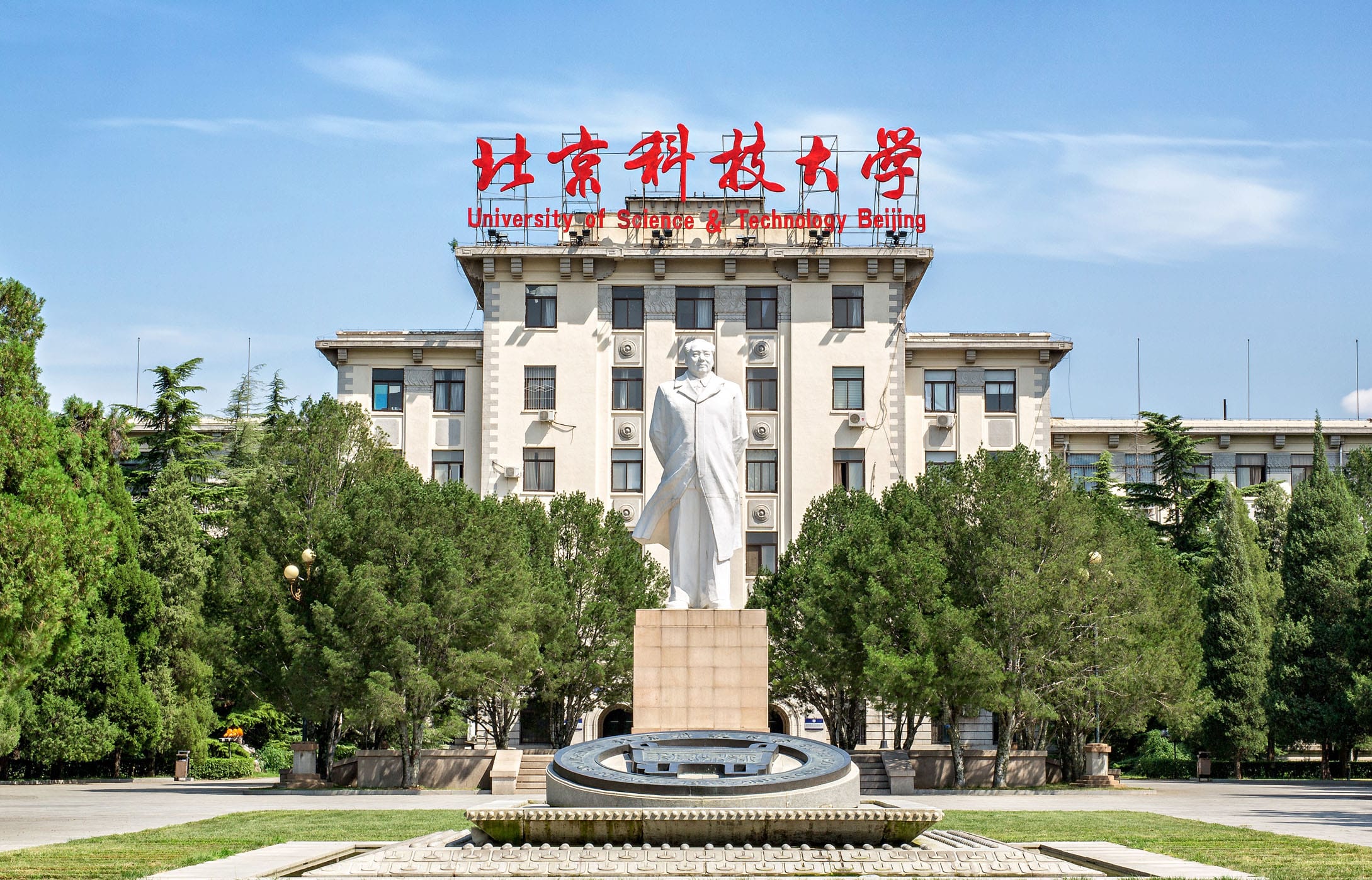
Founded in 1952, the University of Science and Technology Beijing (USTB) is a public engineering university with a distinguished heritage rooted in the nation's industrial development. It was originally established by merging the best departments in mining and metallurgy from several prominent universities, aiming to cultivate top-tier talent for China's burgeoning heavy industry. Strategically located in the Haidian District of Beijing, the university benefits from its vibrant urban setting within the city's academic hub. As a national key university, USTB holds prestigious designations that underscore its academic standing, being among the first institutions included in the Project 211 initiative and a selected member of the Project 985 innovation platform for its disciplinary strengths. Furthermore, it is recognized as a Double First Class university, with specific disciplines designated for world-class development. This esteemed status has been built upon a history of significant contributions to metallurgical and materials science, evolving from its specialized origins into a comprehensive engineering powerhouse that continues to shape technological advancement both in China and globally. Building upon its distinguished engineering heritage, the University of Science and Technology Beijing has evolved into a comprehensive institution organized across numerous schools and departments. Its academic scope extends beyond its foundational strengths in metallurgy and materials science to encompass a wide array of disciplines. These include robust programs in mechanical engineering, automation, computer science, information security, and civil engineering, alongside growing fields like nanotechnology, economics, and management. For international students, the university offers a full spectrum of opportunities, including undergraduate and postgraduate degree programs, as well as Chinese language studies. While many programs are taught in Chinese, the presence of dedicated English-language web resources for schools like Computer and Communication Engineering indicates a supportive environment for international engagement, with specific English-taught courses likely available. The institution's flagship disciplines are widely recognized, with Materials Science and Engineering and Metallurgical Engineering consistently highlighted as top-ranked, highly recommended programs that anchor its national reputation for excellence. The University of Science and Technology Beijing operates primarily from its single, well-integrated main campus in the vibrant Haidian District. This urban setting places students at the heart of Beijing's academic hub, with the bustling Wudaokou area—known for its dining and entertainment—just a short distance away. The compact campus is thoughtfully divided into distinct zones for academics, administration, student activities, and residence, creating a cohesive community. Notable landmarks include the historic main gate, the iconic central square with its fountain and statue, and the grand Soviet-style library. The campus is also home to the university's sports stadium and a major gymnasium, a legacy venue from the 2008 Olympics that offers students discounted access to excellent facilities. International students are typically accommodated in on-campus dormitories, known locally as "zhai." These residences generally offer shared rooms, with configurations often being six-person for undergraduates and four-person for postgraduate students. Rooms are equipped with modern amenities including air conditioning, heating, and personal study desks. Shared facilities on dormitory floors typically include laundry rooms, water dispensers, and elevators. The campus enjoys excellent public transport links, with four subway stations located within a short bus ride in each direction, providing easy access to all of Beijing. While specific living expense figures are not provided, the urban location offers a wide range of options to suit different budgets. The university fosters a welcoming and supportive environment for its international community through its dedicated International Student Center. This central office manages all aspects of the student journey, from admission to graduation, providing essential services such as visa guidance and dedicated Chinese language training. Students can immerse themselves in campus life through a vibrant calendar of cultural activities, including the flagship International Culture Festival, the Chinese Star competition, and organized trips to iconic sites like the Great Wall. A robust scholarship system, featuring Chinese Government Scholarships, Beijing Municipal Scholarships, and several prestigious university-specific awards, makes pursuing a degree here more accessible. With a diverse community of over 1,200 students from more than 100 countries, the university offers a truly global experience on campus, positioning itself as an ideal choice for those seeking a top-tier engineering education within a dynamic and internationally-minded community in the heart of Beijing.
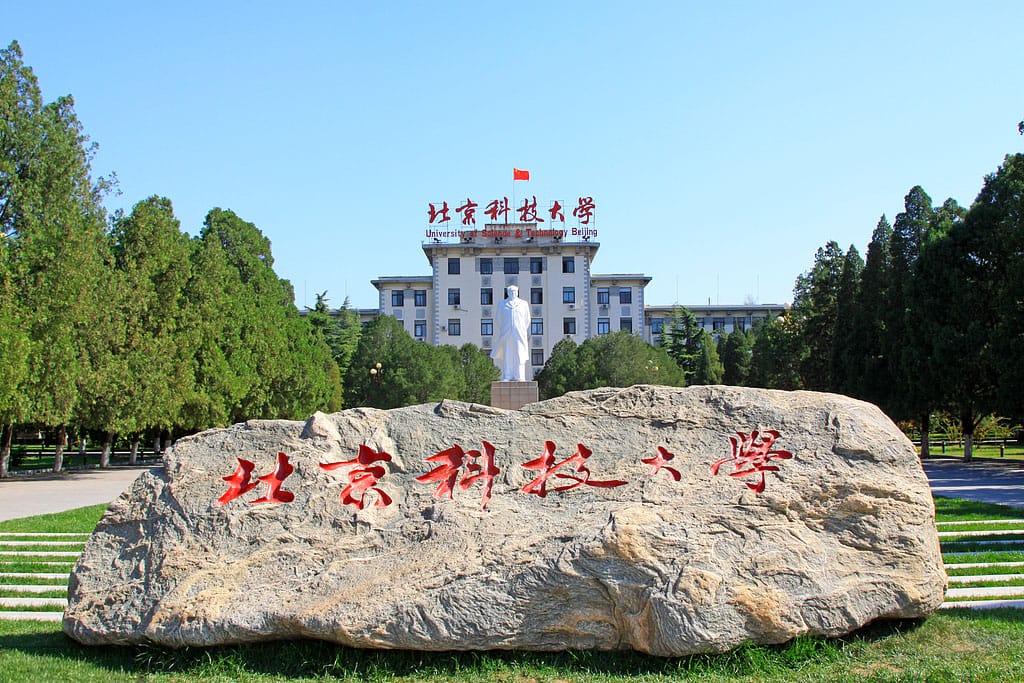
The University of Science and Technology of China (USTC) is a prestigious public research university founded in Beijing in September 1958 under the auspices of the Chinese Academy of Sciences. Its establishment, led by the renowned scholar Guo Moruo as its first president, was hailed as a major event in the history of Chinese education and science. The university was created with a distinct mission to cultivate high-level scientific and technological talent, guided from its inception by the integrated "whole-university" philosophy that combines education with cutting-edge research. In 1970, USTC relocated to its current home in Hefei, the capital of Anhui Province, where it has flourished. As a key member of China's C9 League and a foundational institution in both the national "985 Project" and "211 Project," USTC is recognized as a top-tier comprehensive university with a core focus on science and technology. This status was reaffirmed with its designation as a "Double First Class" university, a testament to its world-class standing, with multiple disciplines recognized for their excellence. Throughout its history, USTC has been a pioneer in educational reform, consistently pushing the boundaries of innovation in science and engineering on the national stage. Building upon its distinguished heritage, the University of Science and Technology of China offers a comprehensive and highly ranked academic portfolio. The university is organized into numerous schools and departments, providing a broad spectrum of programs with a core emphasis on science and technology. Its academic strengths are nationally recognized, with top-tier disciplines including Mathematics, Physics, Chemistry, Earth Physics, Biology, History of Science and Technology, Mechanics, and Nuclear Science and Technology, with Physics often cited as the leading program in the country. For international students, USTC provides extensive opportunities across undergraduate, postgraduate, and non-degree programs. At the undergraduate level, international applicants can choose from a wide array of majors spanning fields such as Mathematics, Physics, Chemistry, Materials Science, Biological Sciences, Engineering, Electronics and Information, Computer Science, Earth Physics, Environmental Science, Management Science, and Nuclear Engineering. The university also offers a significant number of master's and doctoral programs for graduate studies. Furthermore, English-taught master's programs are available through its Suzhou Institute for Advanced Study, located in the Suzhou Industrial Park, providing an internationalized educational experience in a dynamic economic region. The University of Science and Technology of China operates multiple campuses in Hefei, primarily the East, West, and Central campuses, which are situated in the city's urban setting. The campus environment is noted for its elegant and spacious layout with extensive greenery, creating a pleasant atmosphere for study and daily life. For international student accommodation, the university provides on-campus dormitories managed as student apartments. Rooms are typically configured as four-person or six-person shared spaces, equipped with standard furnishings including single beds, wardrobes, desks, and bookshelves. Amenities generally include en-suite bathrooms, balconies, and access to hot water. Facilities across the campuses include multiple student cafeterias, sports fields, and other essential services. The campuses are well-connected within the city, and while specific metro station names are not detailed in the provided context, transportation access is available. Living expenses in Hefei are generally considered moderate compared to larger Chinese cities, with a typical monthly budget for students potentially ranging from approximately 1,500 to 2,500 CNY to cover basic necessities, though individual spending will vary. The University of Science and Technology of China is dedicated to fostering a supportive and enriching environment for its international students. This commitment is managed through its dedicated International College, established in 2017, which oversees all aspects of the international student journey from admission and daily management to providing essential support services. The college is responsible for Chinese language and cultural education, helping students acclimate both academically and socially. While the university emphasizes a "quality first" approach to international education, it also facilitates a vibrant community life. Students can access a dedicated handbook and participate in organized activities, fostering connections within the diverse student body. For those seeking a world-class science and technology education within a structured, supportive international framework, USTC offers a compelling destination aimed at cultivating future global leaders in their fields.
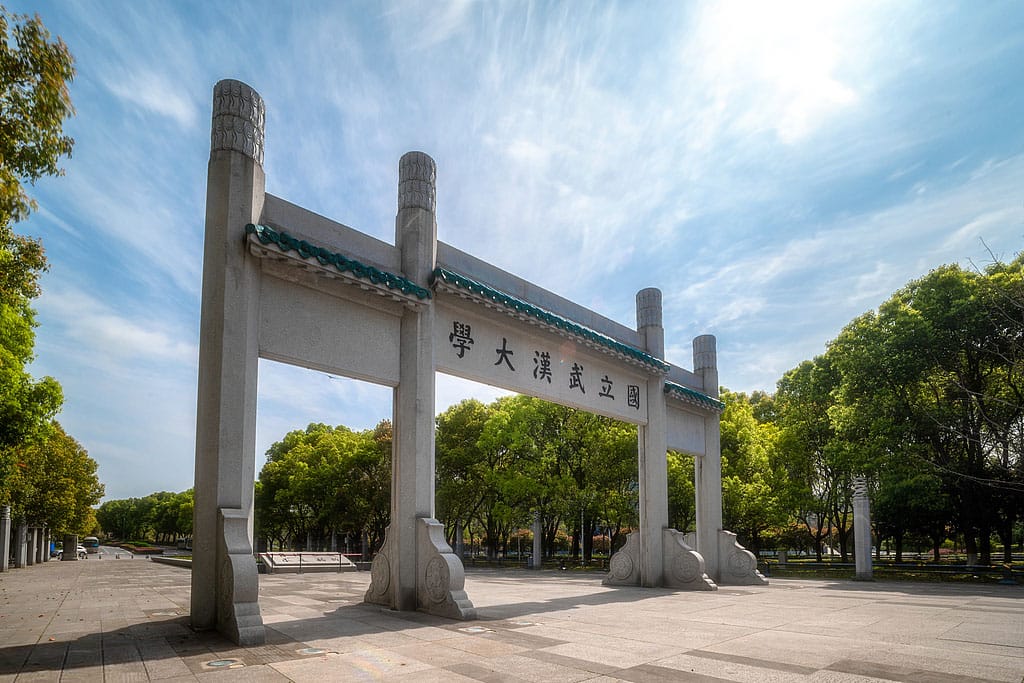
Wuhan University, often referred to simply as "Wuda," stands as one of China's most venerable and esteemed institutions of higher learning. Founded in 1893 as the Ziqiang Institute, its origins are deeply intertwined with China's modern educational history, evolving through pivotal phases including the National Wuchang Higher Normal School before being formally established as the National Wuhan University in 1928. This long evolution has cemented its status as a pioneer among China's modern national universities. Strategically located in Wuhan, the vibrant capital of Hubei Province, the university operates as a major public comprehensive institution directly under the administration of the Ministry of Education. Its prestige is nationally recognized, holding elite designations as a Double First Class university and as a key member of both the Project 985 and Project 211 initiatives, which mark it among the country's top-tier institutions for research and academic excellence. Over its storied 130-year history, Wuhan University has continually transformed, expanding its academic scope and strengthening its global reputation while maintaining a profound connection to its rich heritage, beautifully embodied in its iconic campus that blends historical architecture with modern educational facilities. Building upon its distinguished heritage, Wuhan University offers a vast and comprehensive academic landscape designed to meet diverse intellectual pursuits. The university is organized into numerous schools and departments spanning the humanities, social sciences, natural sciences, engineering, information sciences, and medical sciences, ensuring a truly interdisciplinary environment. Its academic strength is nationally recognized, with several disciplines consistently ranked at the top tier in China. For international students, this breadth translates into extensive opportunities. The university accepts international applicants into a wide array of undergraduate, master's, and doctoral degree programs across its faculties, from literature and science to medicine. A dedicated School for International Education manages admissions and provides specialized Chinese language training and degree programs in Chinese Language, also serving as an official HSK test center. While many programs are taught in Chinese, the university continues to develop English-taught programs to cater to the global student community, further solidifying its role as a pioneer in international education since it began welcoming overseas students decades ago. Wuhan University's vibrant campus life unfolds across its primary urban campus in Wuhan, a beautifully landscaped environment often celebrated for its scenic gardens like the Cherry Blossom Garden, Plum Garden, and Osmanthus Garden. The main campus integrates historical architecture with modern facilities, creating a dynamic setting for study and leisure. For accommodation, international students are typically housed in dedicated dormitories, which commonly offer shared rooms, often configured for four students. While specific amenities can vary by building, standard facilities generally include shared bathrooms, laundry services with washers and dryers, and campus internet access. The campus is well-integrated into the city, with convenient access to nearby metro stations and major commercial areas like the Yintai Creative City and Chuhe Han Street, providing ample shopping, dining, and social options. Daily life on campus is supported by numerous canteens, cafes, and convenience stores, including well-known chains, all within walking distance. Students should budget for moderate urban living expenses, with monthly costs for personal needs varying based on lifestyle. The campus atmosphere is lively and communal, though students should be mindful of pedestrian traffic during peak hours. Overall, it offers a rich and engaging environment where academic pursuits are complemented by a full and accessible student experience. Wuhan University provides a comprehensive and supportive environment tailored for its international community. The dedicated School of International Education serves as the central hub, managing admissions, academic affairs, and specialized support services. It offers essential Chinese language training and is an official HSK test center, while also providing guidance on visa and residence permit procedures. The university fosters a vibrant international community, with the school organizing various cultural activities and events to help students integrate and experience Chinese culture. A range of scholarships is available to support qualified international students. Social life is enriched by active student organizations within the school, including dedicated departments for academics, arts, sports, and networking, which create numerous opportunities for engagement and friendship. With its long history of welcoming international students and a structured support system, Wuhan University positions itself as an ideal choice for those seeking a well-rounded and supported academic journey in China.
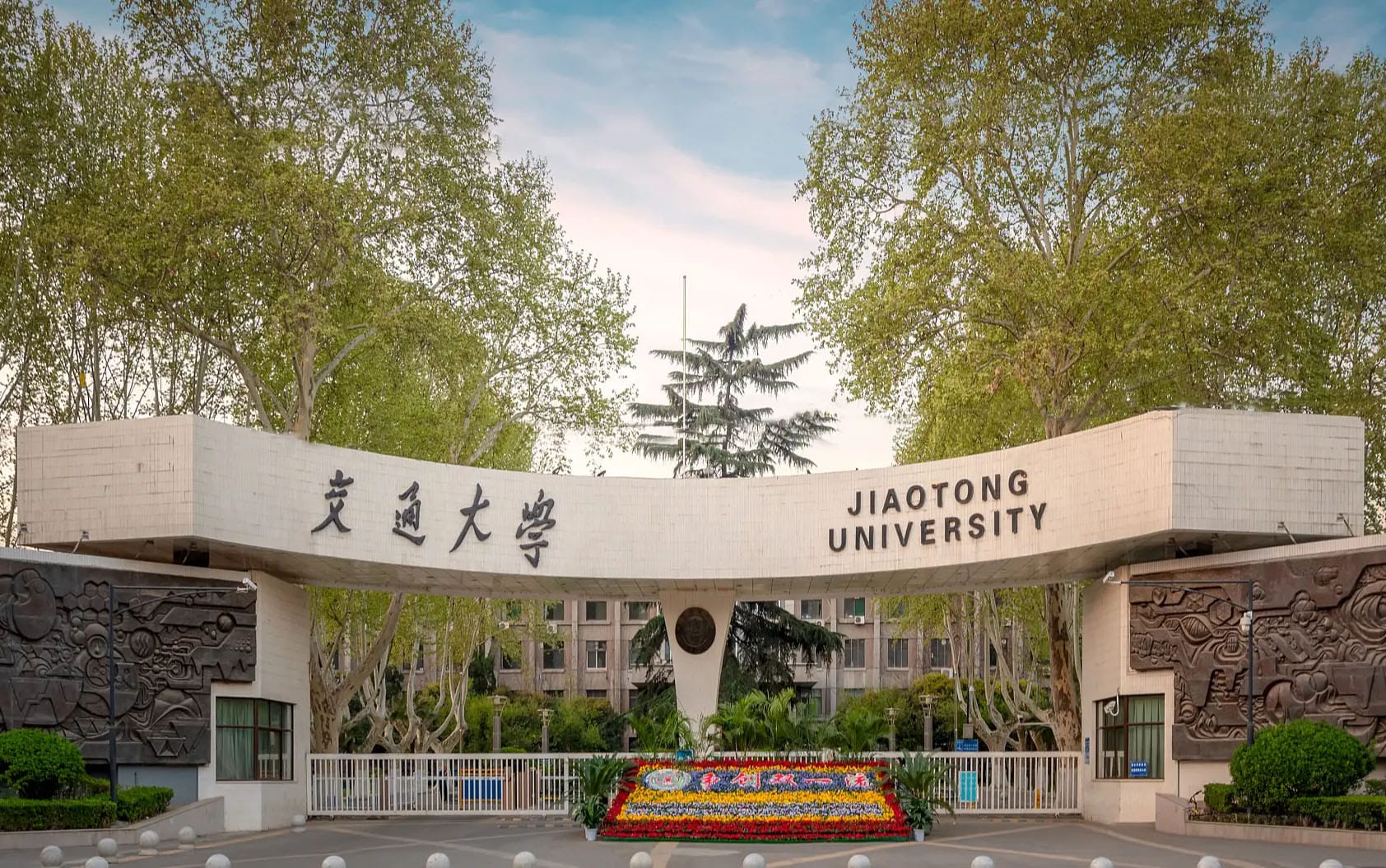
Founded in 1896 as the Nanyang Public School, Xi'an Jiaotong University is one of China's oldest and most esteemed institutions of higher learning. It originated in Shanghai with a mission to cultivate engineering and technical talent, a foundational purpose that continues to shape its identity. In a pivotal moment in its history, a significant portion of the university relocated westward in 1956 to the city of Xi'an in Shaanxi Province, merging with local institutions to better serve the nation's development needs. This monumental "Westward Migration" is a cornerstone of its heritage, embodying a spirit of dedication and sacrifice that is celebrated as part of the nation's spiritual legacy. Today, as a public, comprehensive university located in an urban setting, it stands as a prestigious member of China's Project 985 and Project 211, and a designated Double First Class university, recognized for its excellence in research and education. From its early focus on engineering, it has evolved into a comprehensive powerhouse, consistently contributing to scientific advancement and national development from its historic home in northwest China. Building on its distinguished heritage, Xi'an Jiaotong University offers a comprehensive academic portfolio through numerous schools and departments spanning engineering, sciences, medicine, management, economics, and the humanities. Its academic strengths are particularly pronounced in several flagship disciplines that have achieved top national rankings, including Management Science and Engineering, Business Administration, and Power Engineering and Engineering Thermophysics, all historically ranked first in China. Other highly regarded fields are Electrical Engineering, Mechanical Engineering, and Nuclear Science and Technology. For international students, the university provides a wide array of programs at the undergraduate, master's, and doctoral levels, alongside Chinese language training. Doctoral research opportunities are extensive, covering areas from Mechanical Engineering and Electrical Engineering to Computer Science and Biomedical Engineering. While the core instruction is in Chinese, the university continues to develop English-taught programs to cater to the global student community, allowing learners to engage with its world-class research and education in key technological and scientific fields. Xi'an Jiaotong University operates multiple campuses, with its primary and historic location being the Xingqing campus in the urban center of Xi'an. The university also maintains a significant presence at the Yanta campus, which houses its medical school and related facilities. The main Xingqing campus features a blend of modern academic buildings and traditional architecture, set within a vibrant urban environment that provides students with both a focused academic atmosphere and convenient access to city life. For international students, on-campus accommodation is available in dedicated dormitories. These include facilities in the Xingqing campus, such as the West 13, West 7, and West 8 dormitories, and specific international student apartment buildings in the Yanta campus medical and finance college areas. Rooms are typically arranged as double or quadruple occupancy, with options for single rooms subject to availability and additional fees. Basic amenities are provided, and all residents must adhere to university housing regulations. The campuses are well-connected by public transportation, including metro access, facilitating easy travel around the city. Living expenses in Xi'an are generally considered moderate, with estimated monthly costs for a student, excluding tuition, typically ranging from 2,000 to 3,500 Chinese Yuan, depending on personal lifestyle. International students at Xi'an Jiaotong University are supported by a dedicated International Education College, which serves as the comprehensive management and service hub. This office oversees all aspects of the international student journey, from admission and visa processing to daily support and cultural integration. A key focus is on language training, with the college providing extensive Chinese language courses and pre-university programs to help students succeed academically and socially. The university fosters a vibrant and diverse community, with thousands of students from over 130 countries, creating a truly global campus atmosphere. Scholarship opportunities, including the university's own scholarship established in 1999, are available to support talented students. For those seeking a well-rounded experience at a top-tier Chinese institution, Xi'an Jiaotong University offers a structured, supportive, and internationally recognized environment where academic rigor meets rich cultural immersion.
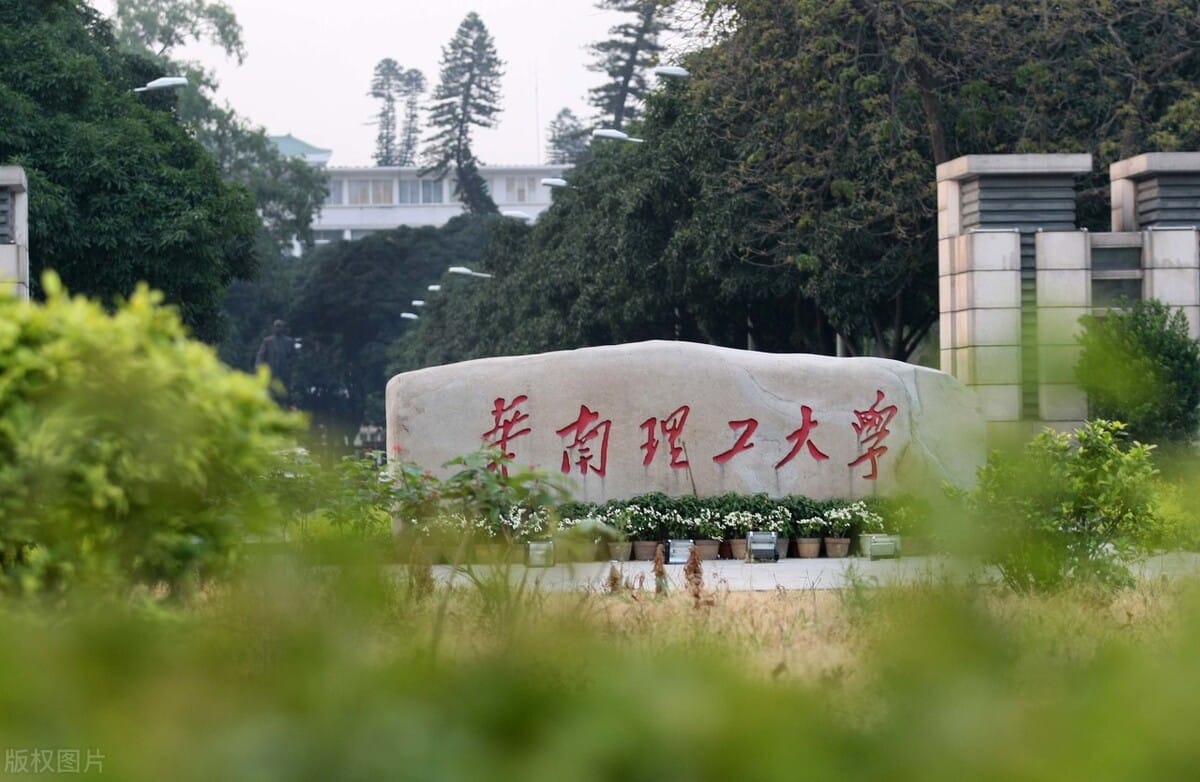
Founded in 1952, the South China University of Technology (SCUT) has its roots in the earlier Guangdong Provincial First Advanced Industrial School, established in 1918. It is a major public engineering university located in the vibrant city of Guangzhou, Guangdong Province. As a key institution directly under the Ministry of Education, SCUT holds a distinguished position in China's higher education landscape, being a proud member of both the national Project 985 and Project 211 initiatives. This prestigious status was further cemented by its designation as a Double First Class university, recognizing its world-class disciplines and its role as a top-tier national research institution. A significant milestone in its history was its formation as one of China's four renowned engineering institutes in the early years of the People's Republic. It was elevated to university status in 1960 and adopted its current name in 1988. Throughout its development, SCUT has evolved from a specialized engineering college into a comprehensive university renowned for its strength in engineering, complemented by coordinated development in science, management, economics, liberal arts, law, and medicine. South China University of Technology offers a comprehensive academic structure through its numerous schools and departments, spanning a wide array of disciplines. While its core strength remains firmly in engineering, the university has developed a robust portfolio that includes coordinated development in science, management, economics, liberal arts, law, and medicine. This breadth provides a rich interdisciplinary environment for study. For international students, SCUT provides a full spectrum of programs, including undergraduate and postgraduate degrees, as well as Chinese language courses. A significant number of these programs, particularly at the master's and doctoral levels, are offered in English, catering specifically to the global student community. The institution's academic reputation is anchored by several flagship disciplines that are highly ranked nationally. Among its most recommended and prominent programs are Architecture, Electrical Engineering and Automation, Civil Engineering, Information Engineering, and Computer Science and Technology. These areas represent the pinnacle of SCUT's teaching and research excellence, drawing students from around the world. South China University of Technology operates across three main campuses in Guangzhou: the historic Wushan Campus (North Campus), the modern University Town Campus (South Campus), and the newer International Campus. The primary Wushan Campus is situated in a vibrant urban setting within Tianhe District, offering students the energy and convenience of city life alongside extensive green spaces. For international students, dedicated dormitories typically provide double-occupancy rooms, which are separate from the standard four-person rooms for domestic undergraduates. These accommodations are known to be well-maintained, with facilities that commonly include independent bathrooms and study areas. Campus life is supported by numerous canteens, libraries with air conditioning, supermarkets, and various sports facilities, some of which offer free access during specific hours. Transportation is highly accessible, with a metro station conveniently located next to the University Town Campus and an internal campus shuttle bus service connecting different areas, particularly useful on the larger Wushan Campus. While specific monthly living expense figures are not provided, the on-campus canteens are noted for offering affordable and varied meal options compared to city prices, contributing to a manageable overall cost of living. South China University of Technology fosters a supportive and dynamic environment for its international community. The dedicated International Education College serves as a central hub, managing everything from admissions and visa support to academic guidance and cultural integration. Students benefit from comprehensive language training, including specialized courses like Technical and Business Chinese, and have access to extensive support services through the university's Student and Faculty Service Centers, which assist with residency permits, healthcare, and daily life. The university actively promotes a vibrant social life by organizing cultural exchanges, festivals, and activities that connect international and domestic students. For those seeking a top-tier engineering education within a welcoming global community in the heart of southern China, SCUT offers a well-rounded and supported international study experience.
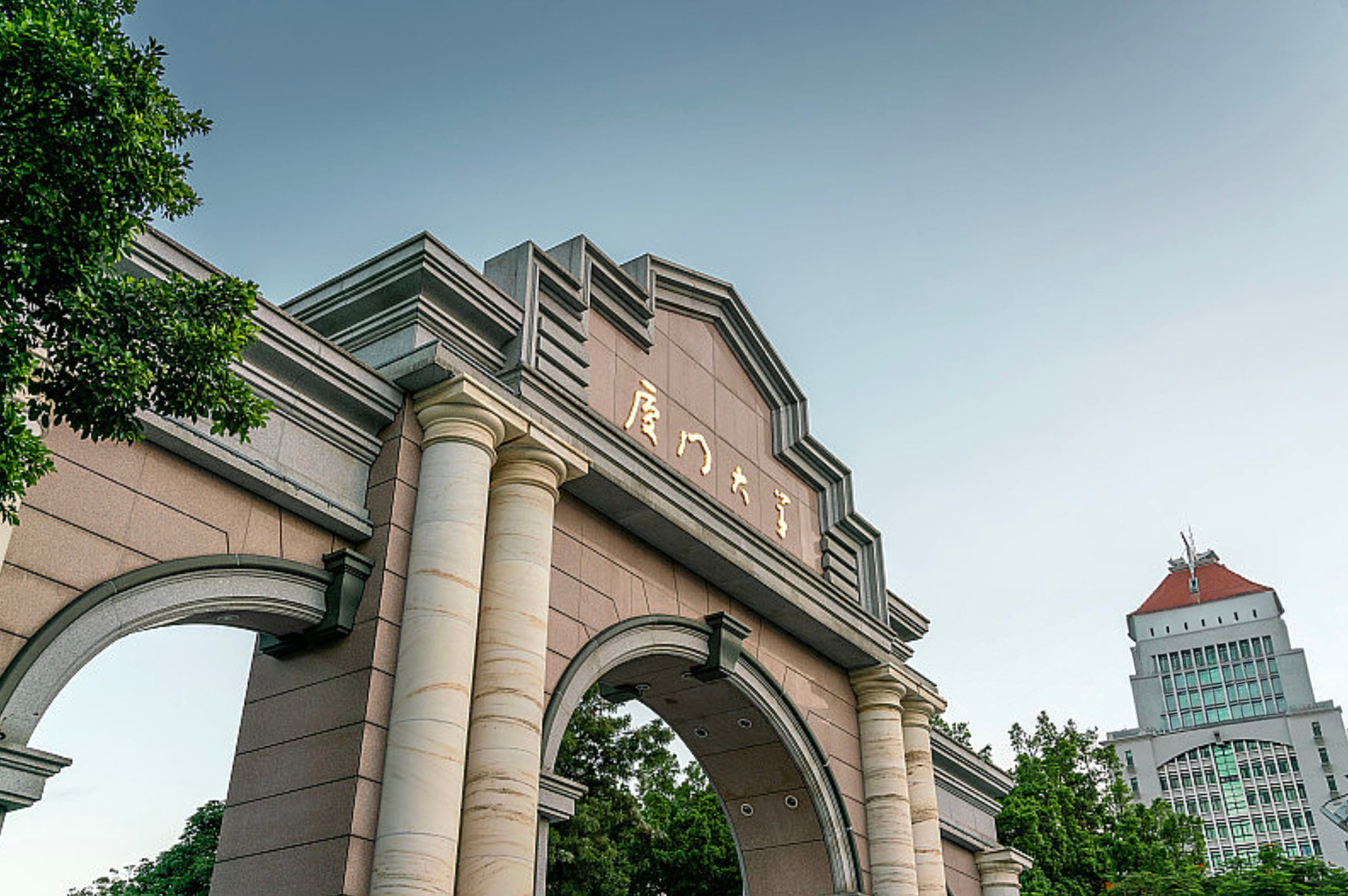
Founded in 1921, Xiamen University stands as one of China's most venerable and picturesque institutions of higher learning. It was established by the renowned philanthropist Tan Kah Kee, whose vision was to create a premier university in the coastal city of Xiamen, Fujian Province. As a public, comprehensive research university, it has grown from its origins into a key academic hub with a distinct identity shaped by its "Overseas Chinese, Southern Fujian, Sea, and Taiwan" characteristics. Its prestige is underscored by its inclusion in China's most significant national initiatives for educational excellence, including the Project 211, the Project 985, and the Double First-Class University Plan, marking it as a top-tier institution for research and teaching. Throughout its history, the university has evolved from a private academy into a national leader, renowned for its strengths in areas like maritime studies, cross-strait relations, and the maritime silk road. Today, with multiple campuses including its main site in Siming District, it continues to build upon a century of academic tradition while fostering a global outlook. Xiamen University's academic structure is comprehensive and robust, organized across numerous schools and departments that span the sciences, social sciences, humanities, engineering, and business. Its disciplinary breadth is a key strength, with particular national prominence in several flagship areas. According to China's Ministry of Education discipline evaluations, the university holds top-tier ratings, including an A+ in Marine Science, A ratings in Applied Economics, Chemistry, Statistics, and Business Administration, and A- ratings in Law and Biology. These highly ranked disciplines are complemented by a strong portfolio of B+ rated programs such as Theoretical Economics, Political Science, Computer Science, Environmental Science, and Public Management. For international students, the university offers a wide array of programs at the undergraduate, master's, and doctoral levels, alongside dedicated Chinese language training courses. A growing number of these degree programs are taught entirely in English, particularly at the postgraduate level, providing accessible pathways for global scholars to engage with its high-quality education and research. Xiamen University operates multiple campuses, with its historic main campus located in the urban Siming District and the expansive Xiang'an campus situated further from the city center. The main campus is renowned for its stunning, garden-like environment, often described as one of China's most beautiful university grounds. It features a blend of architectural styles, serene lakes, and lush greenery, including banyan trees and bamboo groves, creating a unique and culturally rich atmosphere. For international students, on-campus accommodation is typically provided in dedicated dormitories, which may offer a range of room types from double to quadruple occupancy. These rooms are generally well-equipped, often featuring a bed-desk combination, personal storage, and air conditioning. Many have private bathrooms, while others offer modern, partitioned communal facilities on each floor. A notable perk for some is the chance to be assigned a room with a sea view or within a historic campus building. The campuses are well-serviced with comprehensive amenities, including numerous canteens, libraries, sports facilities like gyms and swimming pools, and various student activity spaces. While the humid subtropical climate can bring challenges like increased insects during the rainy season, the overall living environment is highly regarded. Students can expect a vibrant campus life with frequent cultural events, club activities, and easy access to the coastal city of Xiamen. Xiamen University fosters a welcoming and supportive environment for its international community, which includes over 1,300 foreign students and scholars. Dedicated services are designed to ensure a smooth transition and enriching stay. A key initiative is the on-campus Immigration Service Station, established in partnership with local authorities, which provides "one-stop" convenience for visa and residence permit applications right within the Siming campus. This innovative station, staffed with bilingual officers and even a team of trained international student assistants, exemplifies the university's commitment to simplifying administrative processes. Beyond visa support, the university's International College, established in 2005, serves as a dedicated hub for cross-cultural education and support. The vibrant social and cultural life for international students is further enhanced by organized activities and service months that facilitate deeper connection with the local city. For those seeking financial support, a variety of scholarship opportunities are available. Ultimately, Xiamen University offers international students a compelling combination of top-tier academics within a stunning coastal setting, backed by a structured and thoughtful support system that actively helps them thrive both inside and outside the classroom.
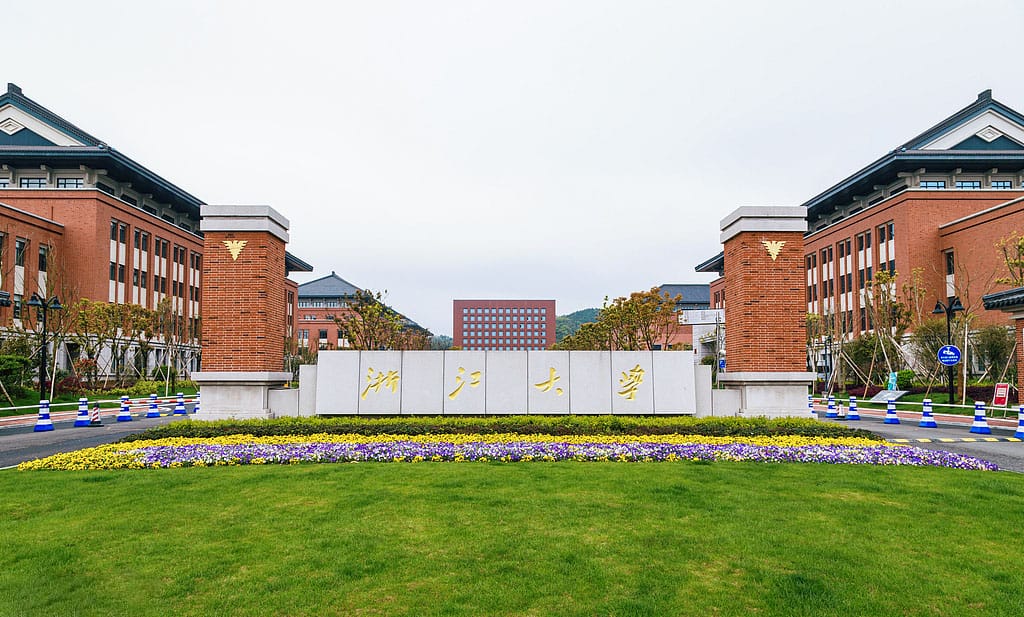
Zhejiang University stands as a prestigious public comprehensive university located in the historic and scenic city of Hangzhou, Zhejiang Province. Its remarkable story began in 1897 with the founding of the Qiushi Academy, one of the earliest modern institutions of higher education established by Chinese initiative. This deep-rooted heritage has evolved through significant historical chapters, including a westward relocation during wartime and a major national restructuring in 1952 that saw it divided into several specialized institutions. A defining moment in its modern history came in 1998 with the reunification of these four sibling universities, revitalizing the institution and propelling it onto the global stage. As a key member of China's elite C9 League and a proud recipient of the nation's top academic designations—including the Double First Class initiative, and the 211 and 985 Projects—Zhejiang University is recognized as a leading force in Chinese higher education. Guided by its enduring motto, "Seeking Truth and Pioneering New Trails," the university has built an identity centered on academic excellence, innovative research, and cultivating future leaders with a global perspective. Building upon its distinguished heritage, Zhejiang University offers a vast and robust academic landscape structured across seven primary faculties encompassing science, engineering, agriculture, medicine, information technology, humanities, and social sciences. This comprehensive framework supports over 200 doctoral programs alone, reflecting the institution's immense scale and depth. For international students, the university provides a full spectrum of opportunities, including undergraduate and postgraduate degrees, alongside dedicated Chinese language programs. A significant highlight is the availability of English-taught instruction, notably in flagship programs like Clinical Medicine at the undergraduate level and a selection of doctoral courses, ensuring accessibility for a global student body. The university's academic strengths are particularly renowned in disciplines such as Computer Science and Technology, Electrical Engineering and Automation, Mathematics, Architecture, and Finance, which are consistently highly rated and recommended within national rankings. This combination of breadth across fundamental academic areas and depth in top-tier, internationally accessible programs solidifies Zhejiang University's position as a premier destination for comprehensive higher education. The vibrant campus life at Zhejiang University is spread across several campuses in the beautiful city of Hangzhou, with the primary and largest being the Zijingang Campus. This urban main campus is renowned for its expansive, park-like setting, often described as bustling with activity and as scenic as a public garden. For international students, on-campus accommodation is typically provided within student apartments. These offer a variety of room types, including four-person rooms with either bunk beds or lofted beds with desks below, as well as single and double rooms available in newer areas like the West Zone. Standard amenities include hot water, 24-hour access to boiled water, shared kitchens known as "Bizhiju," laundry facilities, and study lounges, creating a comfortable and self-contained living environment. The campus is well-integrated into the city's transportation network, and while specific monthly living costs can vary, students can manage expenses effectively by utilizing the numerous on-campus dining halls and facilities. The combination of modern conveniences within a picturesque and lively academic community makes for a fulfilling student experience. Zhejiang University fosters a truly global and supportive environment for its international students, who come from over 150 countries. This vibrant community is supported by the dedicated International Education College, established in 1997, which serves as the central hub for all international student affairs. The college provides comprehensive guidance, from initial visa and residence permit assistance to ongoing academic and life support. Students can access specialized Chinese language training and cultural courses to ease their transition and deepen their understanding of China. The university actively promotes the "Study at ZJU" brand and offers various scholarship opportunities for outstanding international candidates. Beyond the classroom, a rich calendar of cultural activities, social events, and practical experiences helps students connect and build a dynamic social life. For any student seeking a premier, large-scale, and well-supported international education experience within a top-tier Chinese university, Zhejiang University presents an compelling choice.